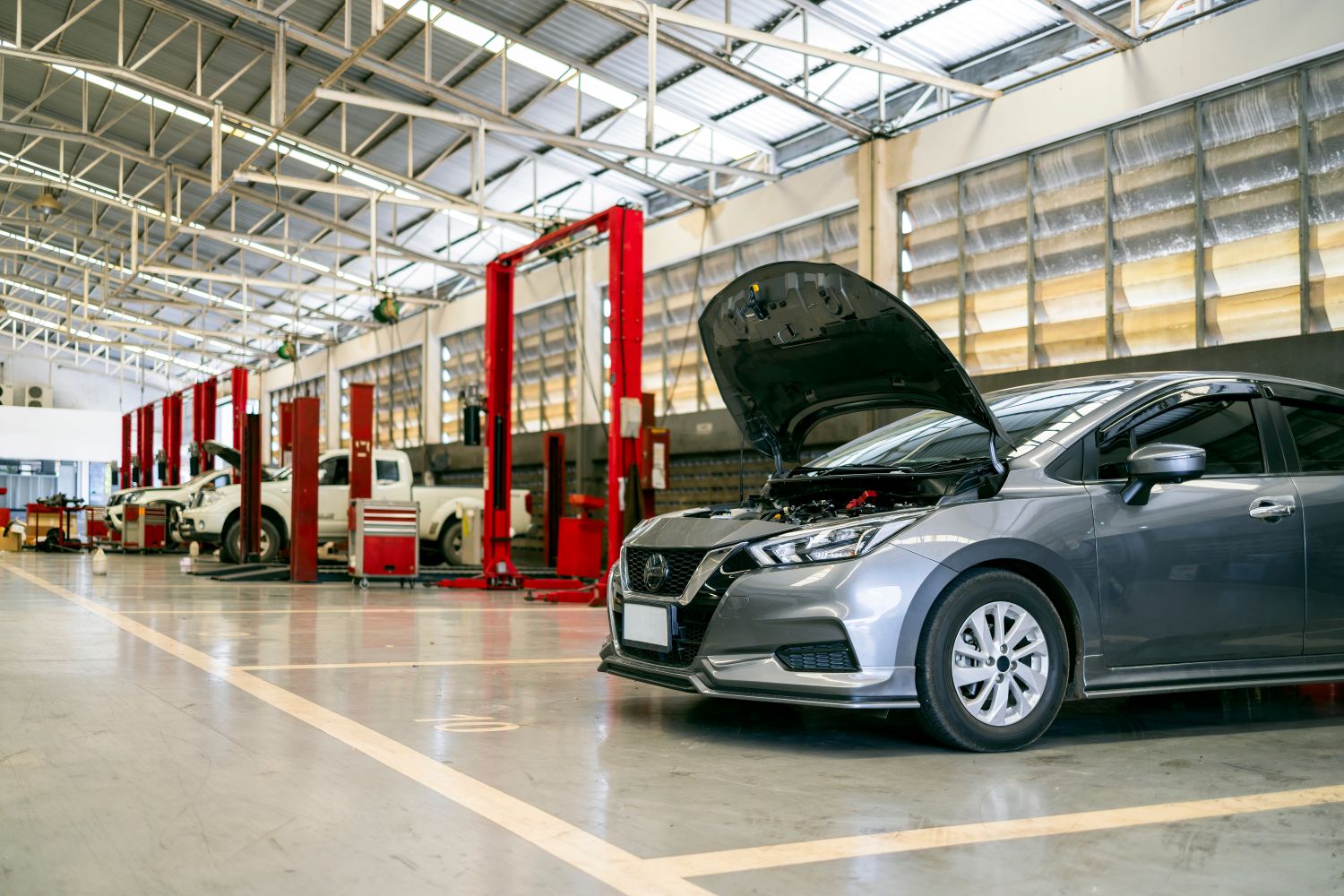

A Complete Garage Resin Floor Guide and Common FAQs
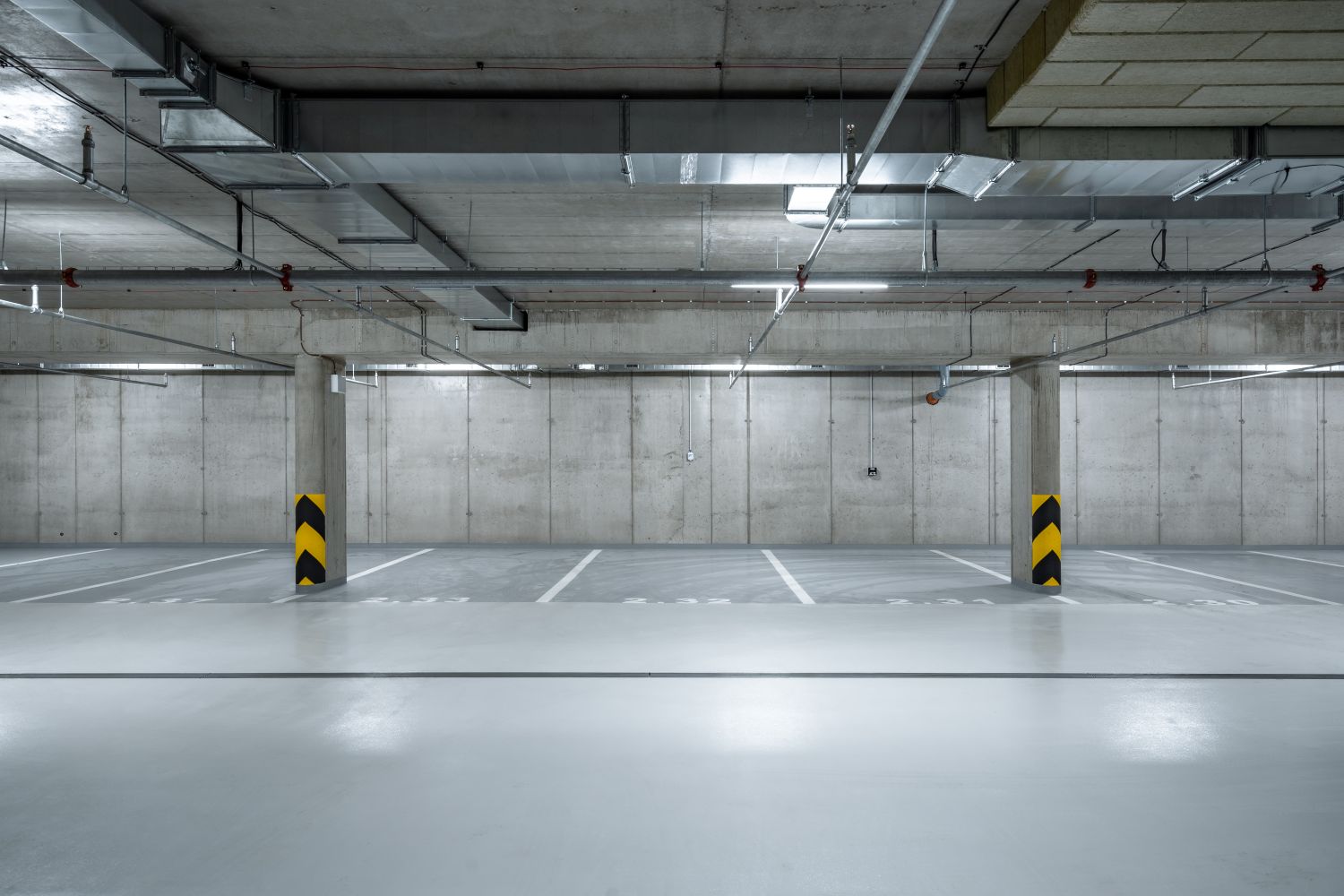
Concrete flooring has long been the foundation of garages across the UK, but as these spaces have evolved, so too have the demands placed upon them. Today, they’re also expected to be workshops, vehicle maintenance bays, storage areas, home gyms, showrooms, and even busy commercial environments. All of these require flooring that can withstand daily wear, heavy loads, and chemical exposure.
Resin flooring has become one of the most popular solutions for both domestic and commercial garages thanks to its combination of strength, durability and ease of maintenance. Whether you’re upgrading a home garage or refurbishing a large commercial workshop, selecting the right resin system is key to achieving long-lasting performance.
This guide explains the different types of garage resin flooring available, their benefits, how they compare with traditional garage floor paints, and how to choose the right solution for your project.
Why Choose a Resin Floor for a Garage?
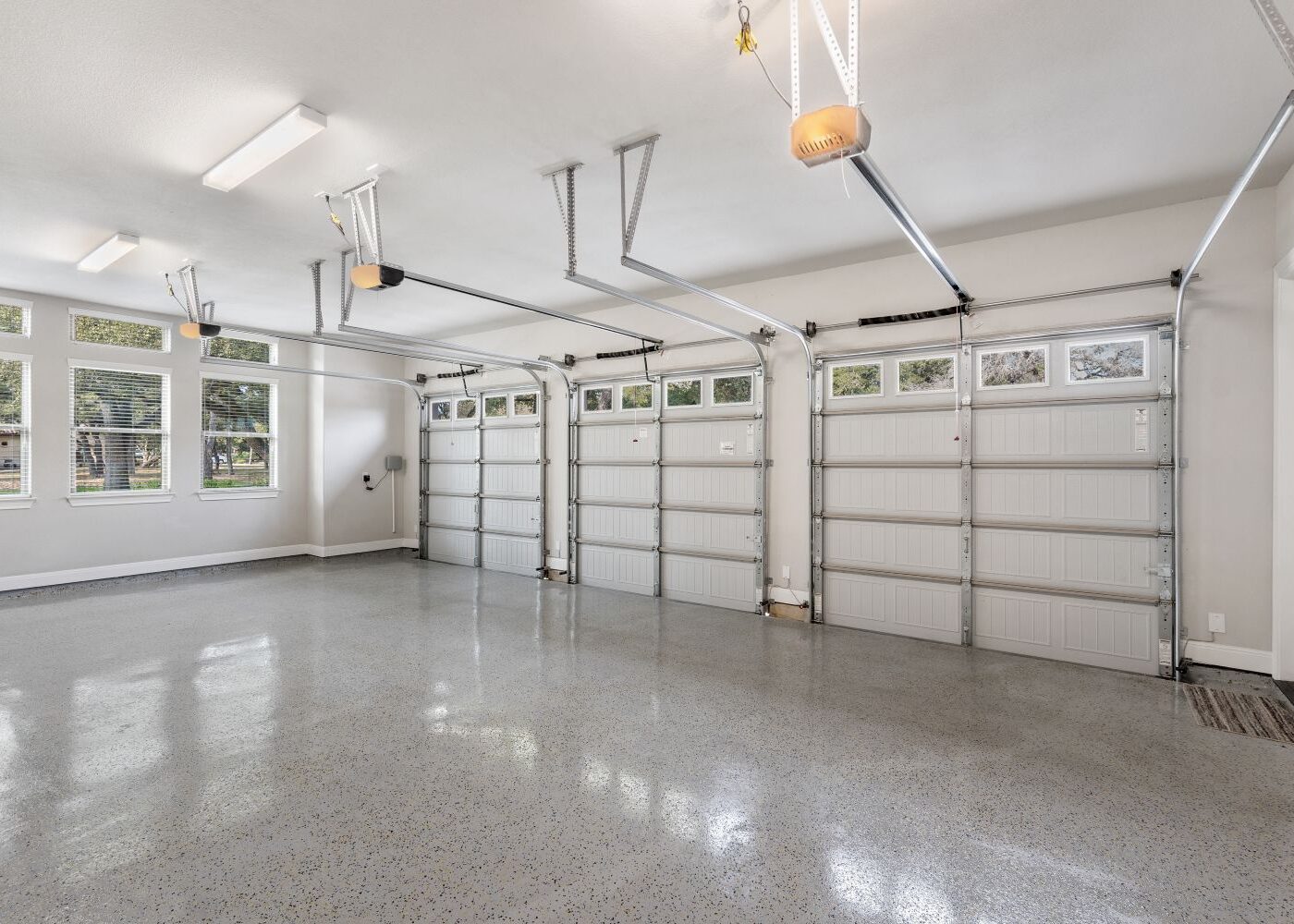
Garages experience some of the toughest conditions of any building. Vehicle tyres, dropped tools, oil spills, moisture, dirt, and constant foot traffic can quickly leave untreated concrete looking worn, stained and dusty. A professionally installed resin floor transforms both the appearance and performance of the space by creating a seamless, protective surface that’s built to last.
Some of the key benefits include:
- Exceptional durability for both domestic and commercial use
- Resistance to oil, fuel, grease and many industrial chemicals
- A dust-free surface that helps keep garages cleaner
- Easy maintenance thanks to its seamless finish
- Improved aesthetics with a range of colours and finishes available
- Excellent lifespan when professionally installed
- Compatibility with underfloor heating and many existing concrete substrates
Unlike bare concrete, resin flooring also helps protect the underlying floor from wear, making it a long-term investment rather than simply a cosmetic improvement.
Which Type of Resin Flooring Is Best for a Garage?
There is no single resin flooring system that’s right for every garage. The best option depends on how the space is used, the level of traffic it receives and the environment it needs to withstand.
Epoxy Garage Floors
Epoxy resin flooring remains one of the most widely specified garage flooring systems thanks to its excellent balance of durability, appearance, and value. Once cured, epoxy creates a hard-wearing surface capable of handling regular vehicle traffic, workshop equipment and everyday wear. It also offers excellent resistance to oils, fuels and many chemicals commonly found in garages.
Epoxy flooring is particularly well suited to:
- Domestic garages
- Home workshops
- Car storage facilities
- Light industrial units
- Commercial garages with moderate traffic
Available in a wide range of colours and finishes, epoxy flooring can also be customised with decorative flakes or anti-slip additives, allowing homeowners and businesses to achieve a practical floor that also looks professional.
Polyurethane (PU) Garage Floors
Polyurethane resin flooring offers many of the same advantages as epoxy while providing greater flexibility and impact resistance. Because polyurethane can better accommodate slight movement within the substrate, it’s often chosen for environments where temperature fluctuations or heavier mechanical stresses are expected.
Polyurethane flooring is commonly specified for:
- Commercial workshops
- Heavy vehicle garages
- Industrial maintenance facilities
- Garages exposed to varying temperatures
Its slightly softer, more flexible finish also makes it more resistant to scratches and impacts from dropped tools or heavy equipment, helping maintain its appearance over time.
MMA (PMMA) Garage Floors
MMA (Methyl Methacrylate) flooring, or PMMA (Polymethyl Methacrylate) resin flooring, is a type of acrylic resin designed for projects where speed is critical. Unlike traditional resin systems that may require longer curing times, MMA flooring can often be installed and returned to service within just a few hours, significantly reducing operational downtime.
This makes it particularly suitable for:
- Vehicle dealerships
- Fleet maintenance depots
- Commercial garages
- Distribution facilities
- Businesses that cannot afford prolonged closures
Despite its rapid curing properties, MMA flooring still delivers excellent durability, chemical resistance and long-term performance, making it an ideal choice for fast-paced commercial environments.
Can Resin Floor Paint Be Used in a Garage?
Resin floor painting is another excellent option for garages, particularly where an existing concrete floor is structurally sound but would benefit from greater protection, improved appearance and enhanced safety.
Unlike conventional garage paints, professional resin floor painting systems use high-performance epoxy or polyurethane coatings that create a durable, seamless surface capable of withstanding demanding environments. This makes them suitable for everything from domestic workshops to busy industrial and commercial garages.
Can You Paint an Existing Garage Floor?
Many existing concrete garage floors can be upgraded with resin floor paint, but preparation is essential.
Before any coating is applied, the concrete should be assessed for:
- Structural damage
- Moisture issues
- Oil contamination
- Existing coatings
- Surface strength
Applying paint or resin directly over damaged, contaminated, or poorly prepared concrete can lead to premature failure.nts, workshops, and storage facilities can achieve excellent results with a professionally installed resin floor coating.
Resin flooring specialists use professional preparation techniques, including grinding or shot blasting, to create the ideal surface for long-lasting adhesion. This is one of the key reasons professionally installed resin flooring consistently outperforms DIY alternatives.
How Durable Is a Resin Garage Floor?
One of the biggest reasons people choose resin flooring is its outstanding durability. When correctly specified and installed, resin garage floors are capable of withstanding:
- Daily vehicle movements
- Heavy tyre traffic
- Tool drops
- Workshop equipment
- Storage racking
- Forklift traffic in commercial settings
- Regular cleaning
But a resin floor’s longevity depends on both the chosen material and the quality of the surface preparation beneath it. Professional preparation ensures the resin bonds correctly to the concrete substrate, creating a floor that’s far less likely to crack, lift, or delaminate over time.
Can Resin Garage Floors Resist Oil, Fuel, and Chemicals?
Garages regularly encounter substances that can permanently stain or damage untreated concrete. A high-quality resin flooring system provides excellent resistance to many common contaminants, including:
- Engine oil
- Petrol
- Diesel
- Brake fluid
- Hydraulic fluids
- Coolants
- Cleaning chemicals
- Road salt and grime
While spillages should always be cleaned promptly, resin flooring helps prevent these substances from penetrating the surface, making maintenance significantly easier while protecting the integrity of the floor.
Are Resin Garage Floors Safe?
Safety is just as important as durability, particularly in garages where vehicles, machinery, and liquids all pose slip hazards.
Resin flooring systems can be tailored to suit the environment by incorporating:
- Anti-slip aggregates
- Anti-static properties
- Textured finishes
- Matt or gloss surfaces
- Clearly marked walkways or safety zones
The seamless nature of resin flooring also helps reduce dust, creating a cleaner working environment that’s easier to maintain. Brighter finishes can further improve visibility, making workshops and garages safer places to work.
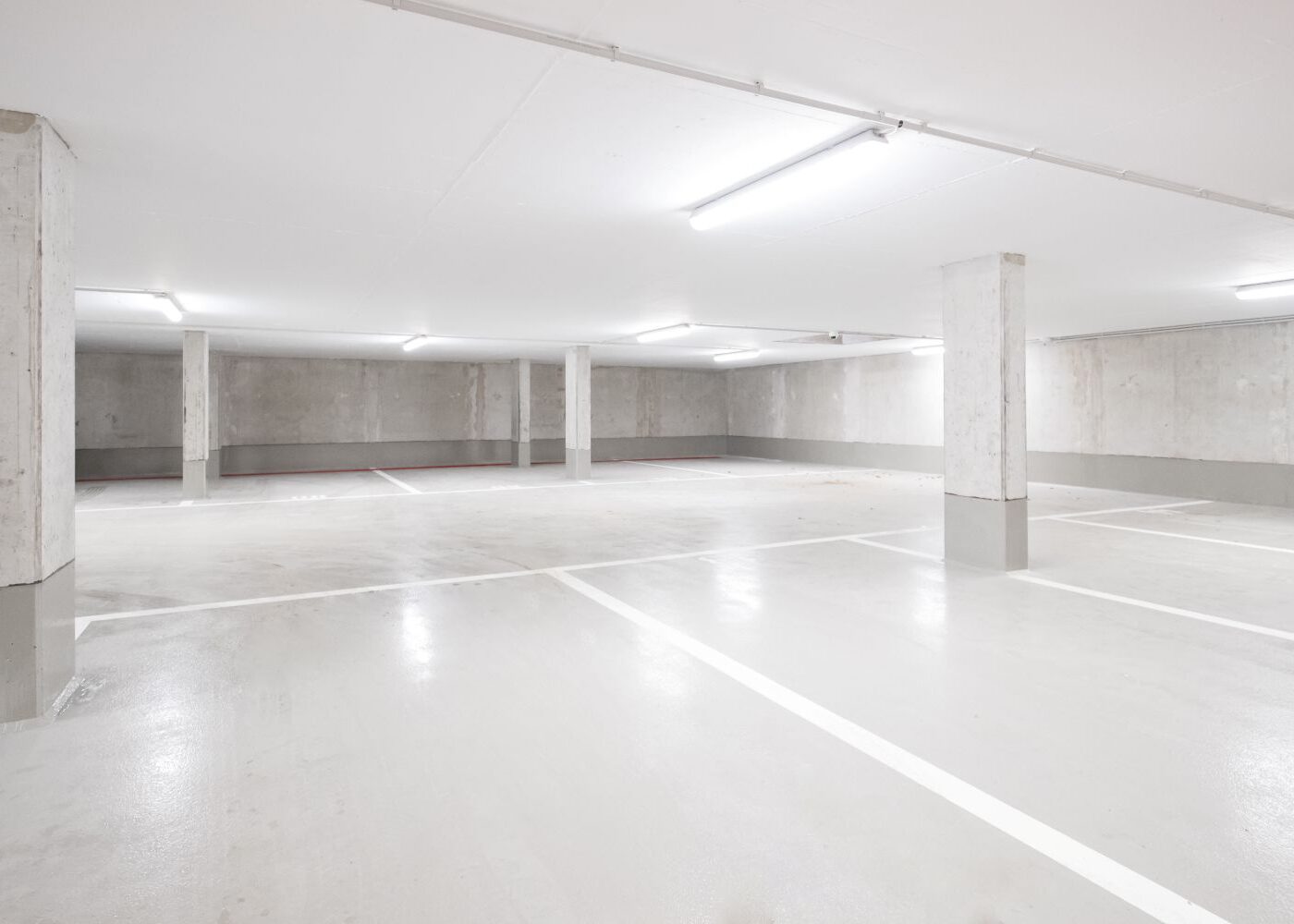
Choosing the Right Garage Resin Flooring System
Selecting the right garage flooring isn’t simply about choosing a colour or finish. Every project should be assessed based on factors such as:
- How the garage is used
- Vehicle and equipment traffic
- Exposure to oils and chemicals
- Required slip resistance
- Desired appearance
- Available installation timescales
- The condition of the existing concrete
Choosing the correct resin system from the outset helps ensure the floor performs reliably for years to come while reducing maintenance costs and minimising future repairs.
Upgrade Your Garage Flooring with Concrete Flooring Solutions
Whether you’re transforming a domestic garage or specifying flooring for a busy commercial workshop, choosing the right installer is just as important as selecting the right flooring system.
With more than 40 years of industry experience, Concrete Flooring Solutions is the UK’s only specialist provider of both concrete and resinous flooring systems, offering customers a complete service from initial consultation through to installation. Our expertise allows us to recommend the most appropriate solution for every project, whether that’s epoxy, polyurethane, or MMA resin flooring, ensuring your garage receives a floor that’s built around its specific requirements.
If you’re planning a new garage floor or looking to upgrade an existing concrete surface, contact us today. Our experienced team can provide expert advice, recommend the most suitable flooring system and deliver a durable, high-performance finish that will continue to perform for years to come.