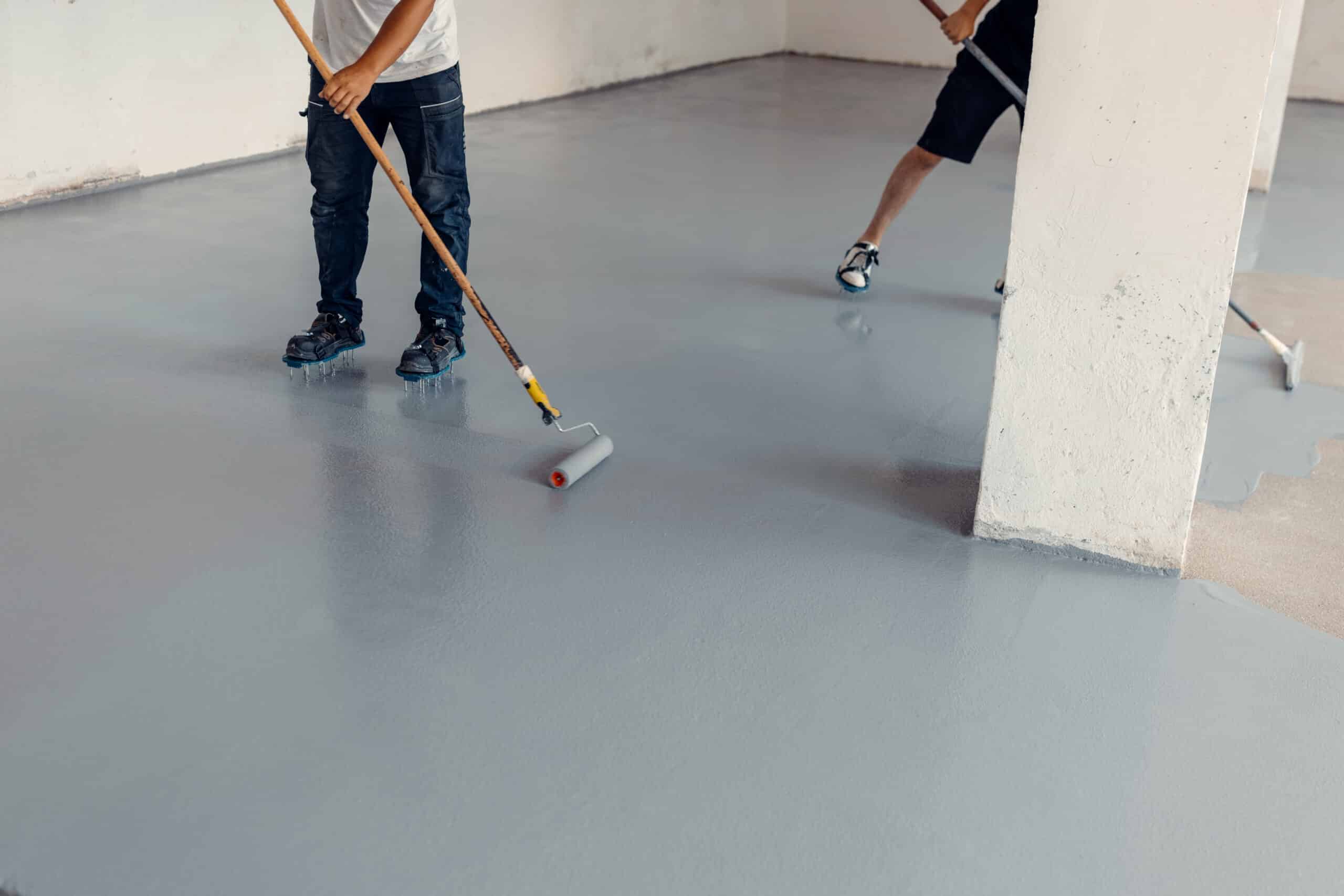

The Difference Between a Resin Floor Coating and a Full Resin Floor
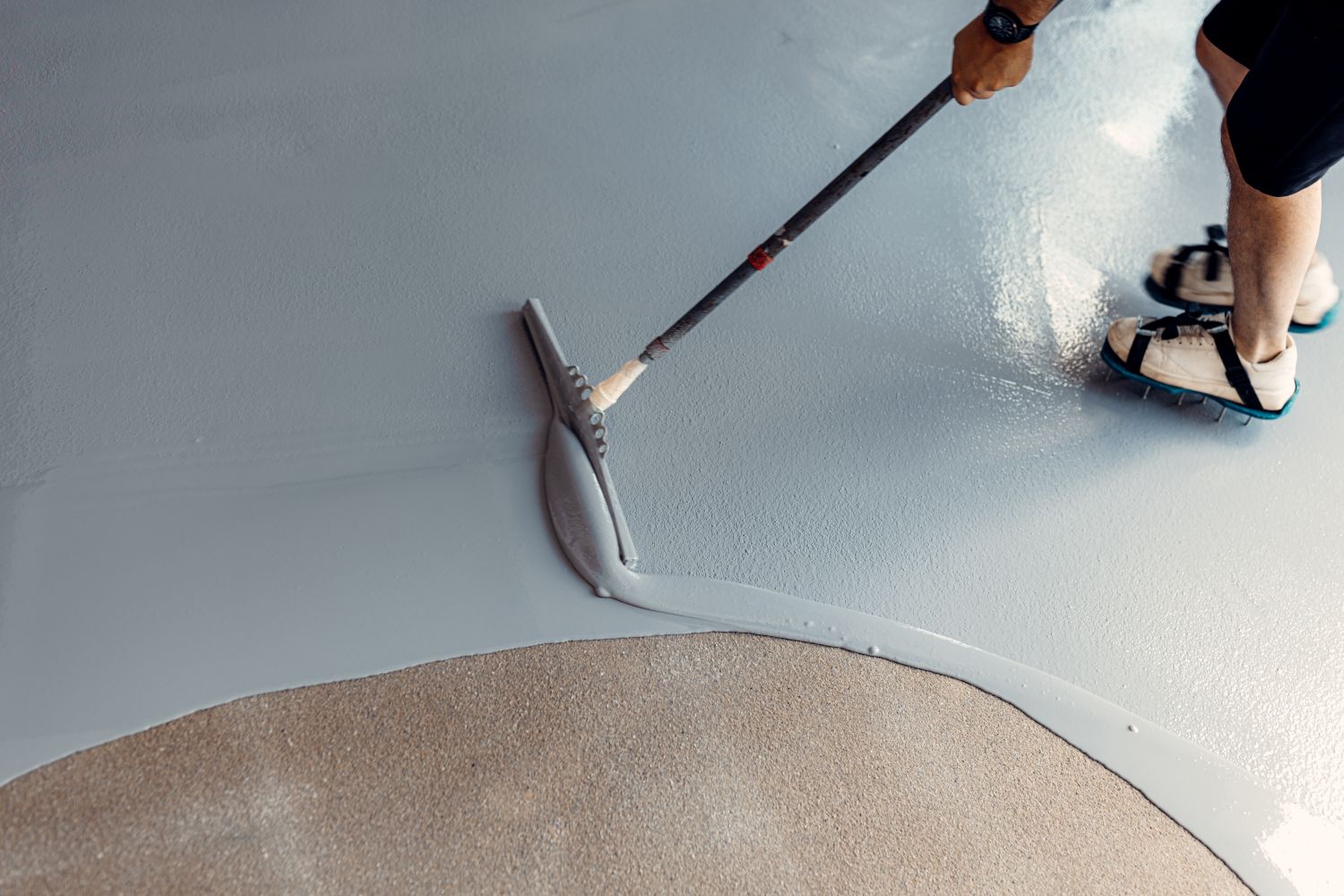
When researching flooring solutions for a warehouse, factory, retail unit, or other commercial premises, it’s common to see terms such as “resin floor coating”, “resin flooring”, “resin screed”, and “self-levelling resin floor” used interchangeably. While these systems may look similar once installed, they are designed for very different purposes and levels of performance.
Choosing the right flooring solution can have a significant impact on the longevity, safety, and maintenance requirements of your facility. A resin floor coating may provide an economical way to protect and enhance an existing floor, while a full resin floor system can deliver exceptional durability in demanding industrial environments.
Understanding the differences between these options is essential before investing in a new floor. In this guide, we’ll explain how resin floor coatings differ from full resin floors, explore the most common resin coating types, and help you determine which solution is best suited to your environment.
What Is a Resin Floor Coating?
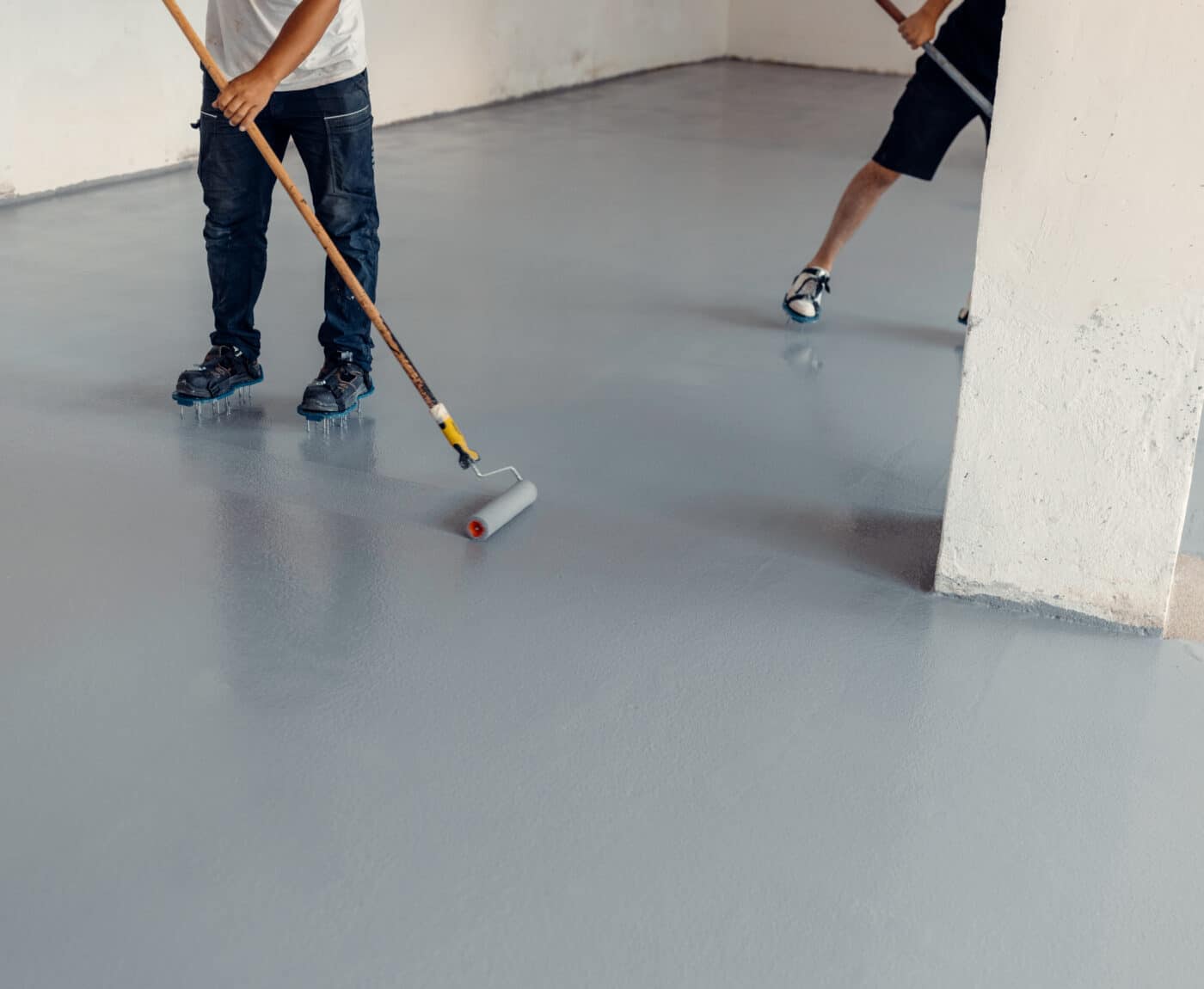
A resin floor coating is a relatively thin protective layer applied to an existing concrete substrate, acting like a sealer or a paint. Rather than forming a substantial part of the floor structure itself, the coating is designed to enhance the performance and appearance of the surface beneath it.
Most resin floor coatings are less than 1mm thick and are commonly used to improve resistance to wear, chemicals, dust, and moisture. They can also create a more attractive finish, making them popular in commercial and light industrial settings where aesthetics and cleanliness are important considerations.
A high-quality resin floor coating can provide several benefits, including:
- Improved appearance and brightness
- Easier cleaning and maintenance
- Reduced dust generation from concrete surfaces
- Increased resistance to chemicals and spills
- Protection against surface wear
- Faster installation compared to thicker flooring systems
Because they require less material and labour than a full resin flooring system, resin floor coatings are often a more cost-effective option when the underlying concrete remains in good condition.
What Is a Full Resin Floor?
A full resin floor is a complete flooring system rather than a surface treatment. Instead of simply coating the top of the existing floor, a full resin floor creates a substantial new wearing surface that becomes an integral part of the floor structure.
These systems are typically installed at thicknesses ranging from 2mm to over 12mm, depending on the intended use and performance requirements.
Full resin flooring systems often include:
- Self-levelling resin floors
- Heavy-duty resin screeds
- Multi-layer resin flooring systems
- Polymer screed installations
- Acrylic installations
Because they are considerably thicker than a standard resin floor coating, they can withstand far greater levels of traffic, impact, abrasion, and chemical exposure.
A full resin floor is often selected when a facility requires:
- Long-term durability
- Resistance to heavy machinery and forklift traffic
- Enhanced impact resistance
- Superior chemical protection
- Correction of uneven or damaged substrates
- Compliance with demanding hygiene requirements
For manufacturing facilities, warehouses, food production environments, and other high-traffic industrial settings, a full resin floor often provides the best long-term value.
Understanding the Main Differences
Although both options use resin technology, the key difference lies in their purpose. A resin floor coating is designed to protect and enhance an existing floor. A full resin floor is designed to become the floor’s primary wearing surface. Thickness is therefore one of the most significant distinctions. While coatings are generally less than 1mm thick, full resin floors can be many times thicker, allowing them to absorb heavier loads and provide greater protection.
Durability is another important consideration. A resin floor coating performs exceptionally well in light to medium-duty environments, but facilities exposed to constant forklift traffic, dropped tools, heavy machinery, or aggressive chemicals often benefit from the enhanced performance of a full resin flooring system.
Installation requirements also vary. Coatings can often be installed relatively quickly with minimal disruption, whereas a full resin floor typically involves more preparation and a longer installation process. However, this additional investment often results in a longer lifespan and reduced maintenance requirements.
Types of Resin Floor Coatings Explained
Not all resin floor coatings are the same. Different formulations offer different performance characteristics and are suited to different applications.
Epoxy Resin Floor Coatings
Epoxy remains one of the most widely used resin floor coatings in commercial and industrial environments. It provides excellent adhesion to concrete surfaces and creates a durable, seamless finish that is resistant to chemicals, abrasion, and general wear.
A clear epoxy coating is often used where businesses wish to protect decorative concrete finishes while maintaining the natural appearance of the substrate beneath.
Epoxy coatings are commonly found in:
- Warehouses
- Workshops
- Retail units
- Storage facilities
- Plant rooms
Where the existing concrete is structurally sound and only requires protection and visual enhancement, epoxy coatings can be an excellent solution. However, where significant impact resistance or floor levelling is required, a full epoxy resin screed may be more appropriate.
Polyurethane Resin Floor Coatings
Polyurethane coatings offer greater flexibility than traditional epoxy systems and perform particularly well in environments exposed to temperature fluctuations.
These coatings provide excellent resistance to:
- Thermal shock
- UV exposure
- Chemical attack
- Mechanical wear
They are frequently specified for:
- Food production facilities
- Commercial kitchens
- External walkways
- Processing plants
In environments where floors experience frequent temperature changes, polyurethane systems can outperform standard epoxy coatings.
MMA Resin Coatings
MMA (Methyl Methacrylate) systems are valued primarily for their rapid curing properties. Unlike many traditional resin systems that require significant downtime, MMA flooring can often return to service within a matter of hours.
This makes these systems particularly attractive for businesses that cannot afford lengthy operational interruptions.
Typical applications include:
- Distribution centres
- Retail premises
- Healthcare facilities
- 24-hour manufacturing operations
When speed of installation is the primary concern, acrylic and MMA coatings can provide a practical alternative to thicker resin floor systems.
Synthetic Resin Floor Coatings
The term “synthetic resin flooring” covers a broad range of resin technologies, including epoxy, polyurethane, acrylic, and hybrid systems. Synthetic resin floor coatings can be tailored to meet specific operational requirements, making them highly versatile across a wide variety of sectors.
Whether the priority is hygiene, chemical resistance, aesthetics, or durability, there is usually a solution capable of meeting those needs.urely to the substrate, ensuring a consistent, long-lasting finish.
When Is a Resin Floor Coating the Better Choice?
A coat of resin floor paint or a similar coating system might be the ideal solution when the existing substrate remains in good condition, and the primary objective is protection rather than structural improvement.
A coating may be the most suitable option when:
- The concrete floor is relatively level and undamaged
- Budget considerations are a priority
- Downtime must be minimised
- Traffic levels are moderate
- A cosmetic upgrade is required
- Dust suppression is needed
Many commercial premises, retail environments, workshops, and storage facilities can achieve excellent results with a professionally installed resin floor coating.
When Should You Choose a Full Resin Floor?
A full resin floor becomes the preferred option when performance requirements increase. Industrial environments often place significant demands on flooring systems. Constant vehicle movement, impact loading, chemical exposure, and strict hygiene requirements can quickly exceed the capabilities of a standard coating.
A full resin flooring system may be the better choice for:
- Manufacturing facilities
- Engineering workshops
- Food processing plants
- Pharmaceutical facilities
- Aircraft hangars
- Logistics centres
- Heavy industrial warehouses
In these environments, the increased thickness and durability of a resin screed or self-levelling system can provide greater long-term reliability and lower lifecycle costs.
Choosing the Right Resin Flooring Solution
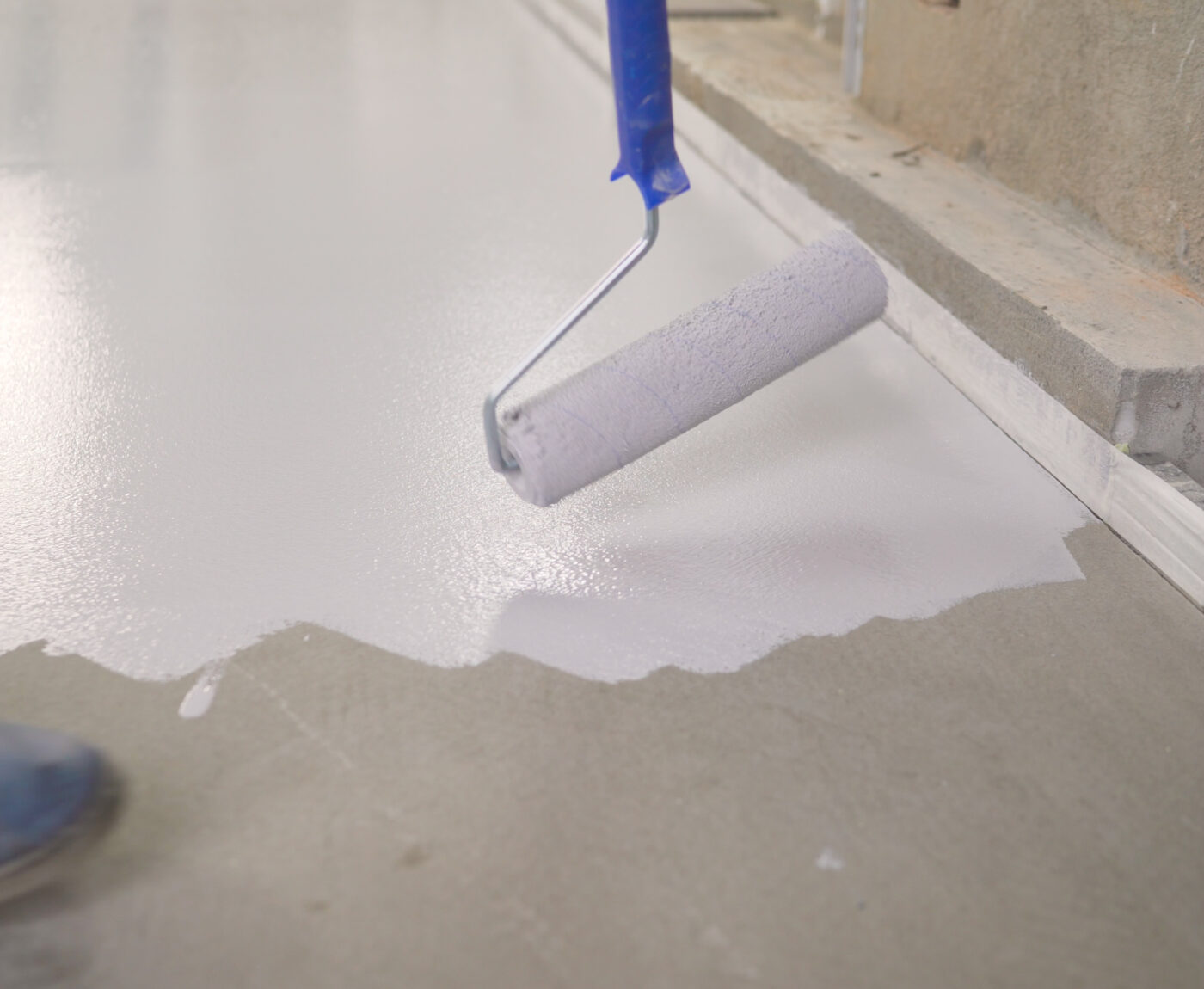
There is no universal answer when choosing between a resin floor coating and a full resin floor. The best solution depends on your facility’s unique requirements. Factors such as traffic levels, chemical exposure, substrate condition, budget, operational downtime, and expected lifespan should all be considered before making a decision.
A professional assessment can help identify the most suitable system and ensure that your investment delivers the performance and durability your business requires.
Speak to the Specialists at Concrete Flooring Solutions
With more than 40 years of industry experience, Concrete Flooring Solutions delivers high-performance flooring systems for warehouses, factories, retail units, healthcare facilities, educational establishments, and commercial premises throughout the UK.
Our team can assess your existing floor, discuss your operational requirements, and recommend the most appropriate resin solution for your project.
To discuss your floor, call, email, or get in touch online.