Polyurethane flooring is a versatile resin flooring option that can be tailored to suit a wide range of commercial and industrial environments. From heavy-duty production areas exposed to chemicals and temperature changes to existing floors that need a durable new surface, different polyurethane materials can provide different levels of protection and performance.

At Concrete Flooring Solutions, we work with both poured polyurethane resin flooring and polyurethane floor paints and coatings, allowing us to recommend a system based on the demands of your site. As specialists in both concrete and resin flooring, we can also consider the condition and performance of the underlying substrate as part of the complete flooring solution.

What is Polyurethane?

Polyurethane is a thermosetting polymer that can be used to create strong, hard-wearing resin floors and protective surface coatings. Once installed and cured, polyurethane flooring can provide excellent resistance to many of the challenges encountered in busy commercial and industrial environments, including impact, chemicals, frequent cleaning, and changes in temperature.

One of the characteristics that distinguishes polyurethane from other resin materials is its slight flexibility. Epoxy, for example, typically forms a more rigid surface once cured, whereas polyurethane retains a degree of elasticity. This can help a polyurethane floor accommodate mechanical stresses, vibration, and thermal changes.


Types of Polyurethane Flooring Materials

Polyurethane flooring materials can broadly be divided into two categories: poured flooring and floor paints and coatings. Although both use polyurethane to create a durable surface, there are important differences in their thickness, application, and intended performance.

Poured Polyurethane Resin Flooring

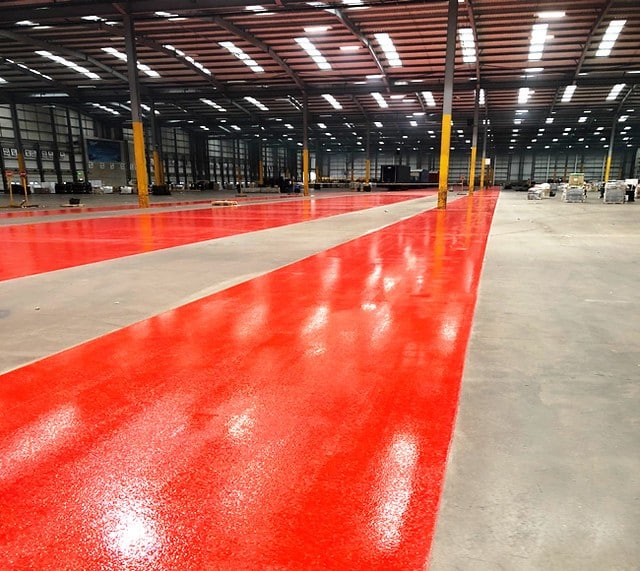
Poured polyurethane resin flooring provides a substantial, seamless floor finish designed for environments where durability and long-term performance are particularly important. Following preparation of the substrate, the resin system is applied across the floor to create a continuous surface. Compared with a thinner floor coating, poured polyurethane systems can provide the additional robustness required for demanding commercial and industrial environments.

The system can also be adapted with additional properties, including anti-slip or anti-static characteristics, where the operating environment requires them.

Polyurethane Floor Paints and Coatings

A polyurethane floor paint or coating provides a thinner surface treatment than a poured resin flooring system. These coatings can be applied to an appropriately prepared substrate to create a hard-wearing protective finish without installing a thicker poured floor. This can be particularly useful when an existing floor needs its appearance, cleanability, or surface resistance improved, but the site’s operational requirements do not call for a more substantial poured system.

The complete coating specification may involve primers and multiple layers to achieve the required finish and performance. These professional resin coatings should therefore not be confused with basic decorative or DIY floor paints.

Polyurethane Flooring for Outdoor Areas

Outdoor floors encounter challenges, including UV exposure, rain, and changing temperatures. Suitable polyurethane systems can offer the UV stability and durability needed for certain exterior applications, including loading areas, walkways, and other exposed surfaces.

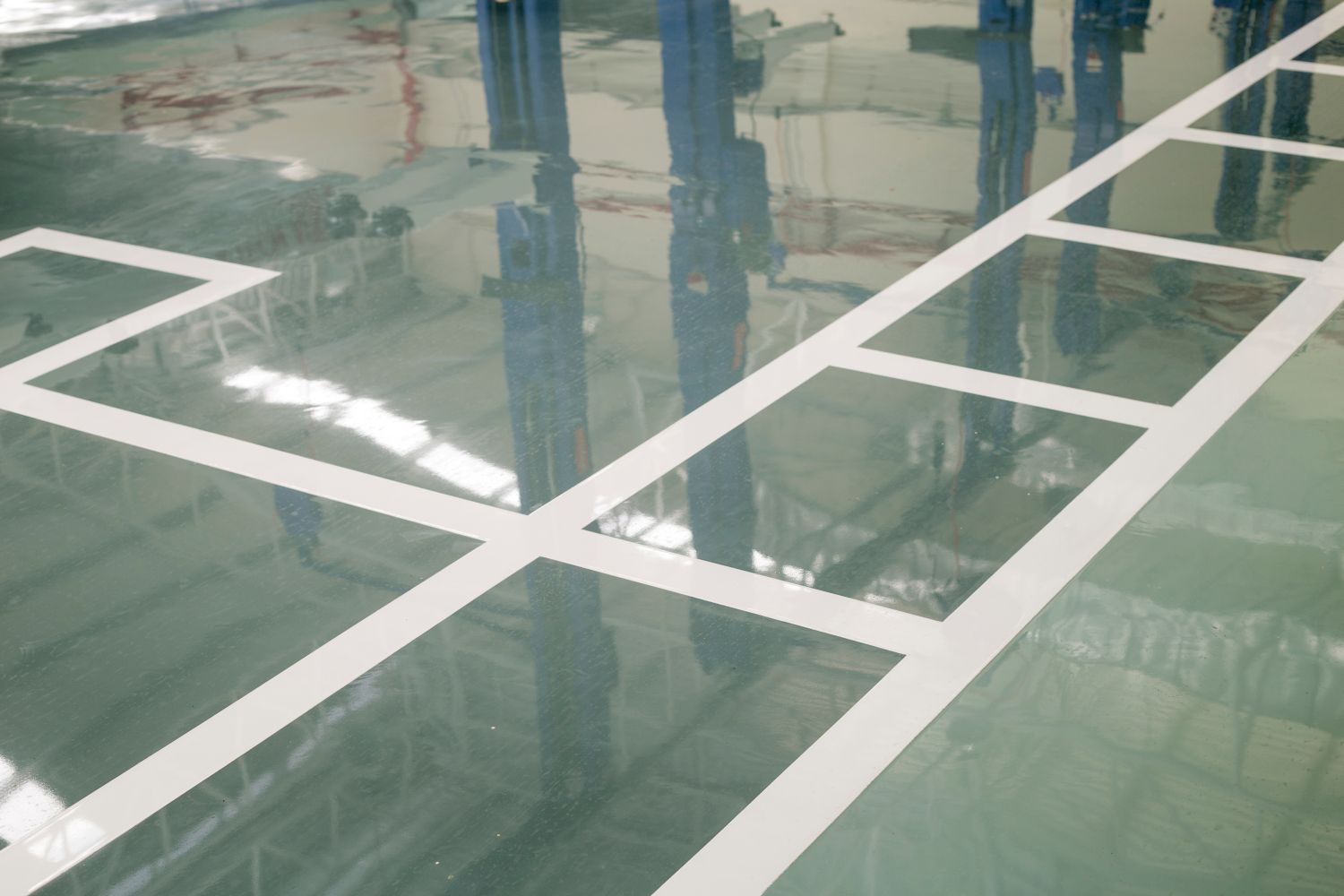
Polyurethane floors can also be produced in a choice of colours and finishes, with options such as line markings helping to adapt the finished surface to the practical needs of the site.

Applying Polyurethane on Painted Floors

Applying any kind of polyurethane on painted floors requires careful assessment. A new coating will only perform as well as the surface to which it bonds. Existing paint that is damaged, poorly adhered, or incompatible with the new material may need to be mechanically removed, while defects in the substrate may need to be repaired before the polyurethane is applied.
Poured Polyurethane Flooring vs Polyurethane Floor Paint

Choosing between poured polyurethane flooring and a floor paint or coating comes down to what the finished floor needs to do. A poured system creates a thicker, more substantial resin floor and is generally better suited to demanding environments where greater durability and resistance to operational stresses are required. Just a coating, on the other hand, provides a thinner protective surface and can be suitable where the priority is improving the protection, appearance, and maintainability of an existing floor.

Neither is automatically the better option. Traffic, machinery, chemicals, cleaning methods, temperatures, and the condition of the existing substrate all need to be considered before specifying a system.

The Benefits of Polyurethane Flooring

The versatility of polyurethane is one of the reasons it can be used across such a broad range of environments. Its precise benefits will depend on the product and specification chosen, but several characteristics make it particularly useful as a flooring material.

Flexibility and Impact Resistance

Polyurethane retains a degree of flexibility after curing, helping the floor accommodate movement, vibration, and mechanical stresses. This can be particularly valuable in busy industrial environments where floors are subjected to regular impacts and equipment movement.

Resistance to Temperature Changes

Changing temperatures can place significant stress on a floor. Appropriately specified polyurethane floors can withstand demanding thermal conditions, making them ideal for areas such as cold storage facilities, food processing environments, and spaces subject to hot-water cleaning.

Chemical Resistance

Polyurethane resin systems can be specified to provide resistance to a range of chemicals, cleaning agents, oils, and other substances. This is particularly beneficial for manufacturing, processing, and industrial facilities where spills and chemical exposure may form part of everyday operations.

Hygienic and Easy to Clean

A seamless, non-porous polyurethane floor provides fewer places for dirt and contaminants to accumulate. Its easy-to-clean surface makes polyurethane especially useful in food production, healthcare, and other settings with strict hygiene requirements.

UV Resistance

Suitable polyurethane materials offer good UV stability compared with some other resin options. This makes appropriately specified systems useful where flooring will be exposed to sunlight or used in suitable exterior applications.

Long-Term Durability

A correctly specified and professionally installed polyurethane system can provide a durable surface with relatively straightforward maintenance requirements. Its longevity ultimately depends on factors including the material chosen, substrate preparation, installation quality, and conditions the floor encounters in service.

Are There Any Drawbacks to Polyurethane Flooring?

While polyurethane offers numerous advantages, it will not automatically be the right material for every project. Professional resin systems can represent a greater initial investment than basic floor paints, and thorough substrate preparation is essential for reliable adhesion and performance. Existing floors may require repairs, levelling, or need previous coatings removed, before work can begin.

Installation and curing can also require areas to be temporarily taken out of service. Different polyurethane formulations have different performance characteristics, so it’s important to specify the material according to the actual conditions of the site rather than assuming every polyurethane product will perform in the same way.

A professional assessment helps determine whether polyurethane is appropriate and, if so, which type of system will provide the required performance.

How We Install Polyurethane Flooring

The performance of any polyurethane flooring material depends heavily on the way the substrate is prepared and the system is installed. We begin by assessing the site, the condition of the existing floor, and the demands the finished surface will encounter. The substrate can then be mechanically prepared to create the conditions needed for strong adhesion.

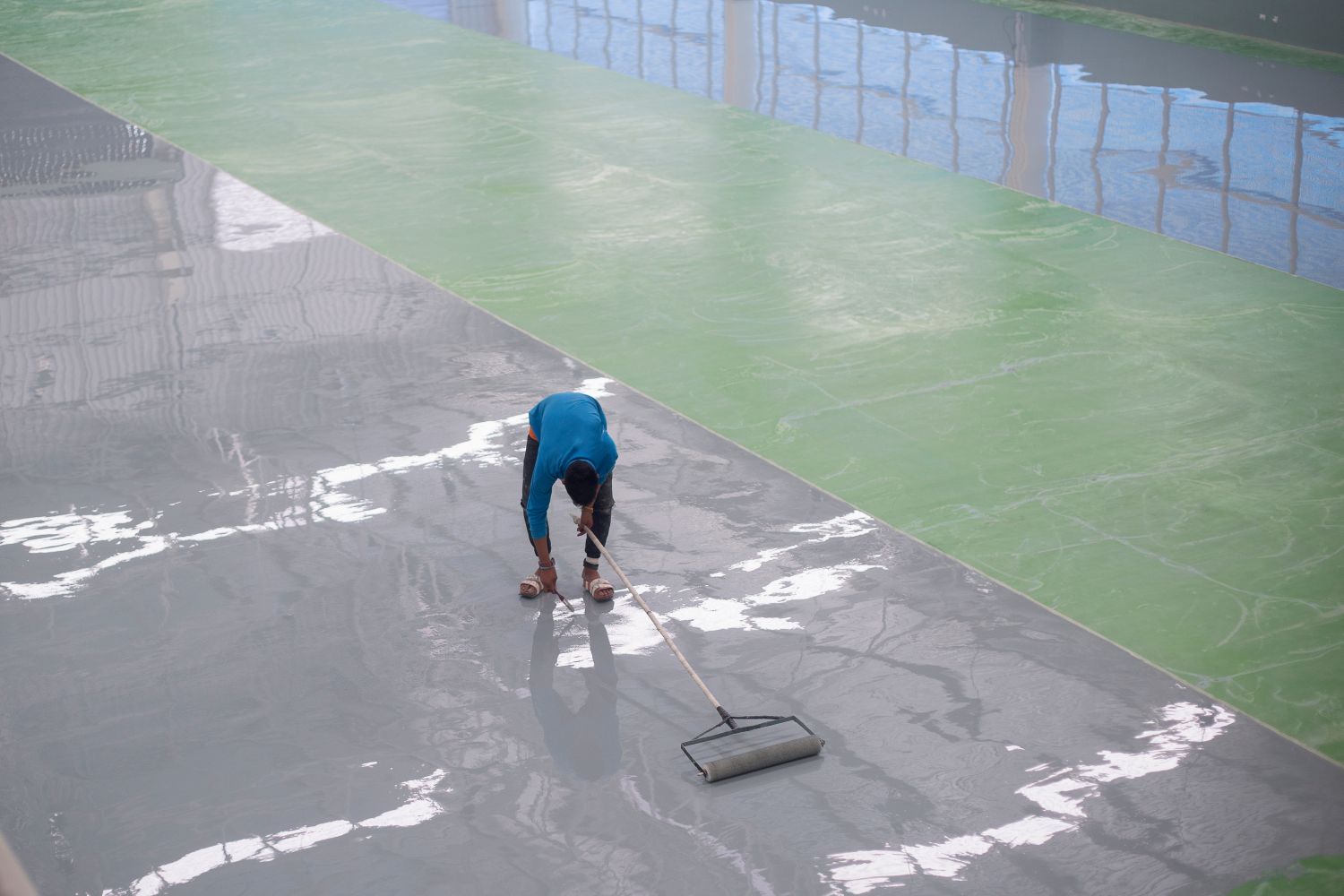
Cracks, uneven areas, and other defects can be addressed where necessary before an appropriate primer is applied. The chosen polyurethane material is then installed according to its specification. This may involve pouring and spreading a substantial resin flooring system or applying a polyurethane floor coating in the required layers. Anti-slip aggregates, anti-static properties, and other additions can be incorporated where specified. 

The floor is then allowed to cure and undergoes the necessary checks before being returned to service.

Industries That Use Polyurethane Flooring

Durability, flexibility, and specialist properties make polyurethane flooring suitable for a wide range of commercial and industrial environments, including:

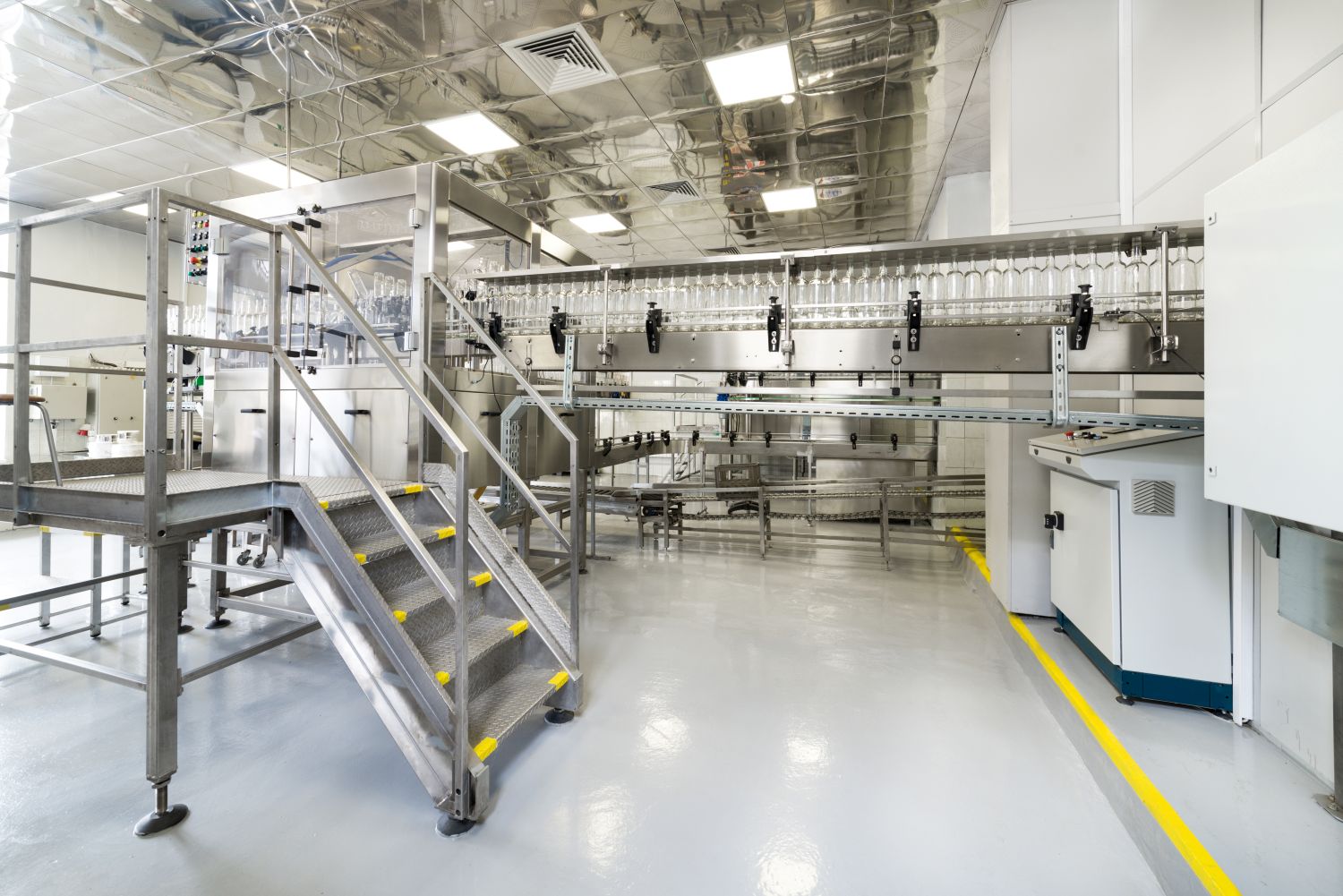
  • Food and beverage production: Seamless, hygienic surfaces that can withstand frequent cleaning, spills, temperature changes, and demanding production conditions.
  • Manufacturing and engineering: Durable flooring capable of resisting mechanical stress, impacts, oils, chemicals, and regular machinery use.
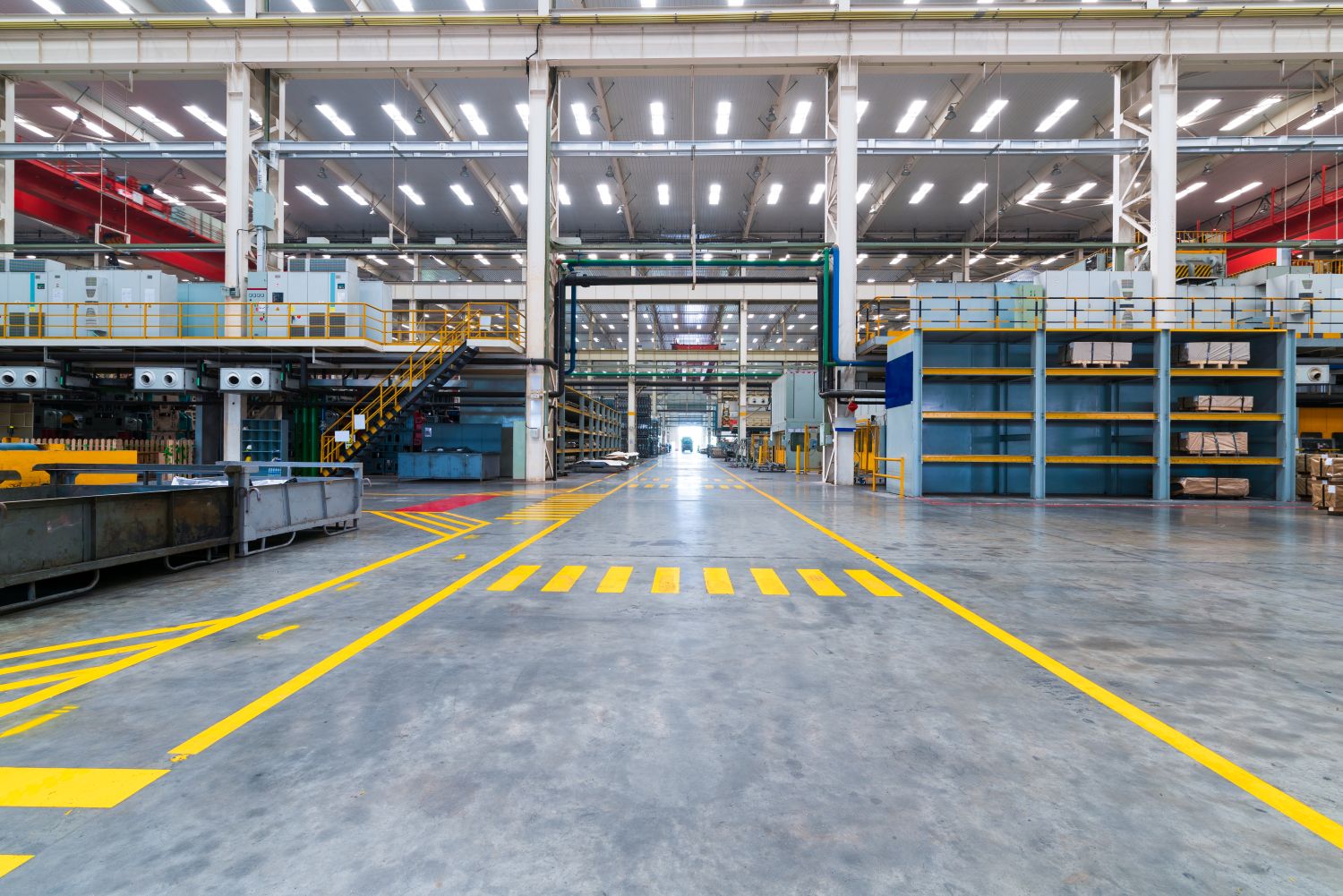
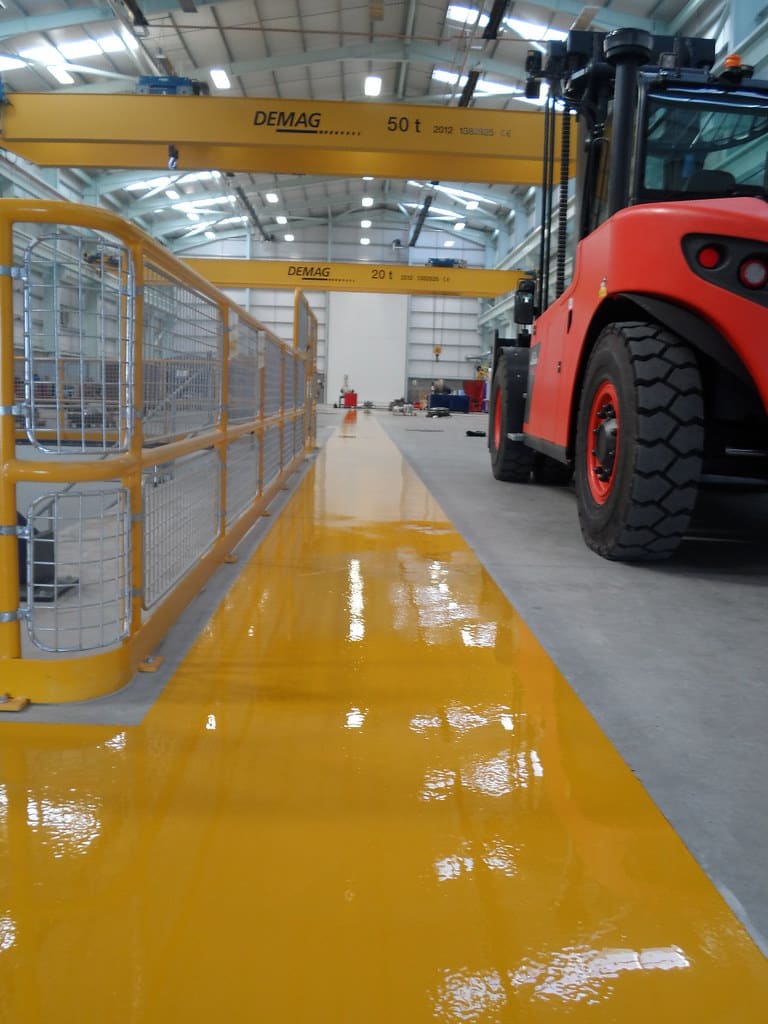
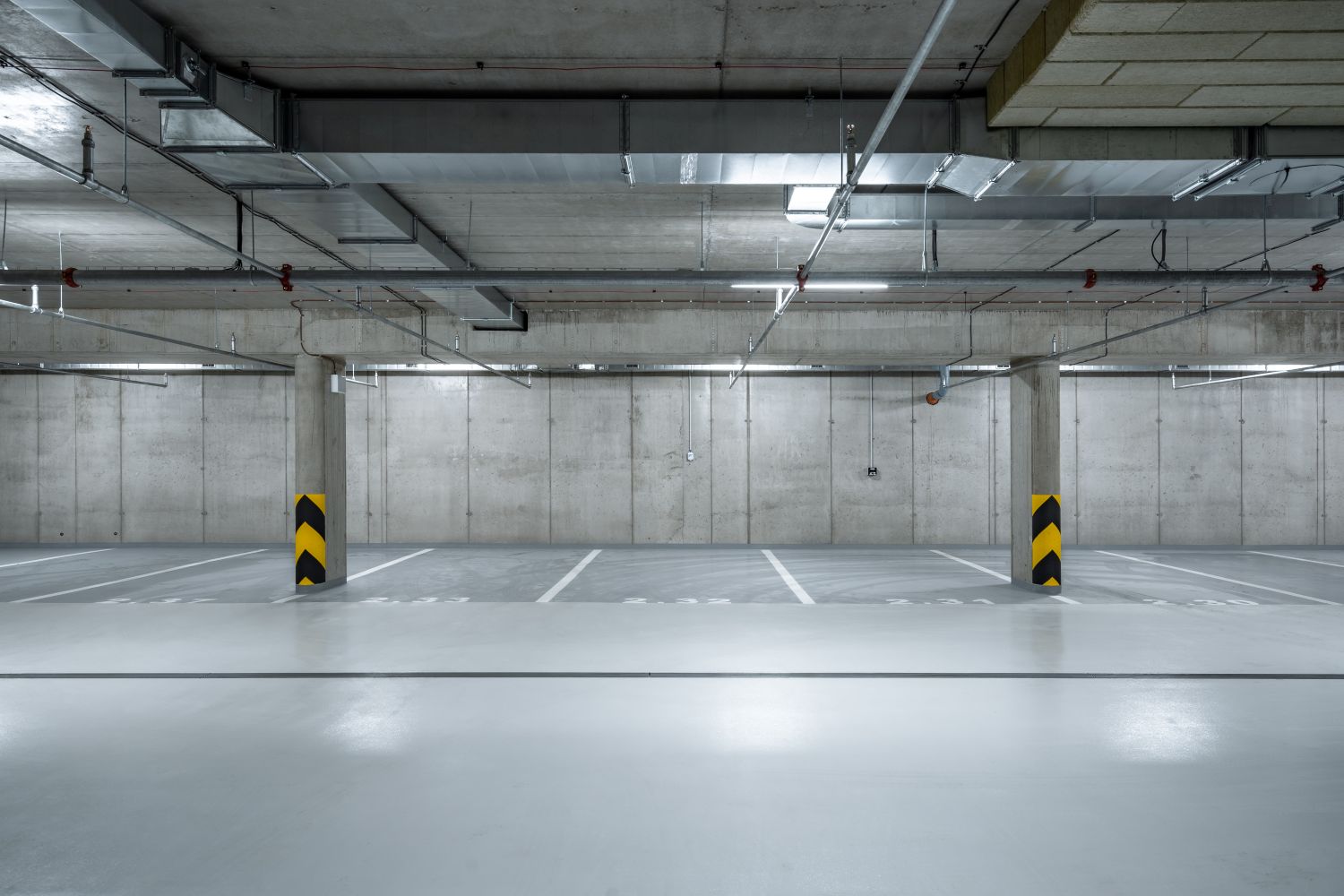
  • Warehousing and distribution: Hard-wearing surfaces designed to cope with heavy foot traffic, forklifts, equipment movement, and regular cleaning.
  • Healthcare and laboratories: Seamless, easy-to-clean flooring suitable for environments where hygiene and contamination control are priorities.
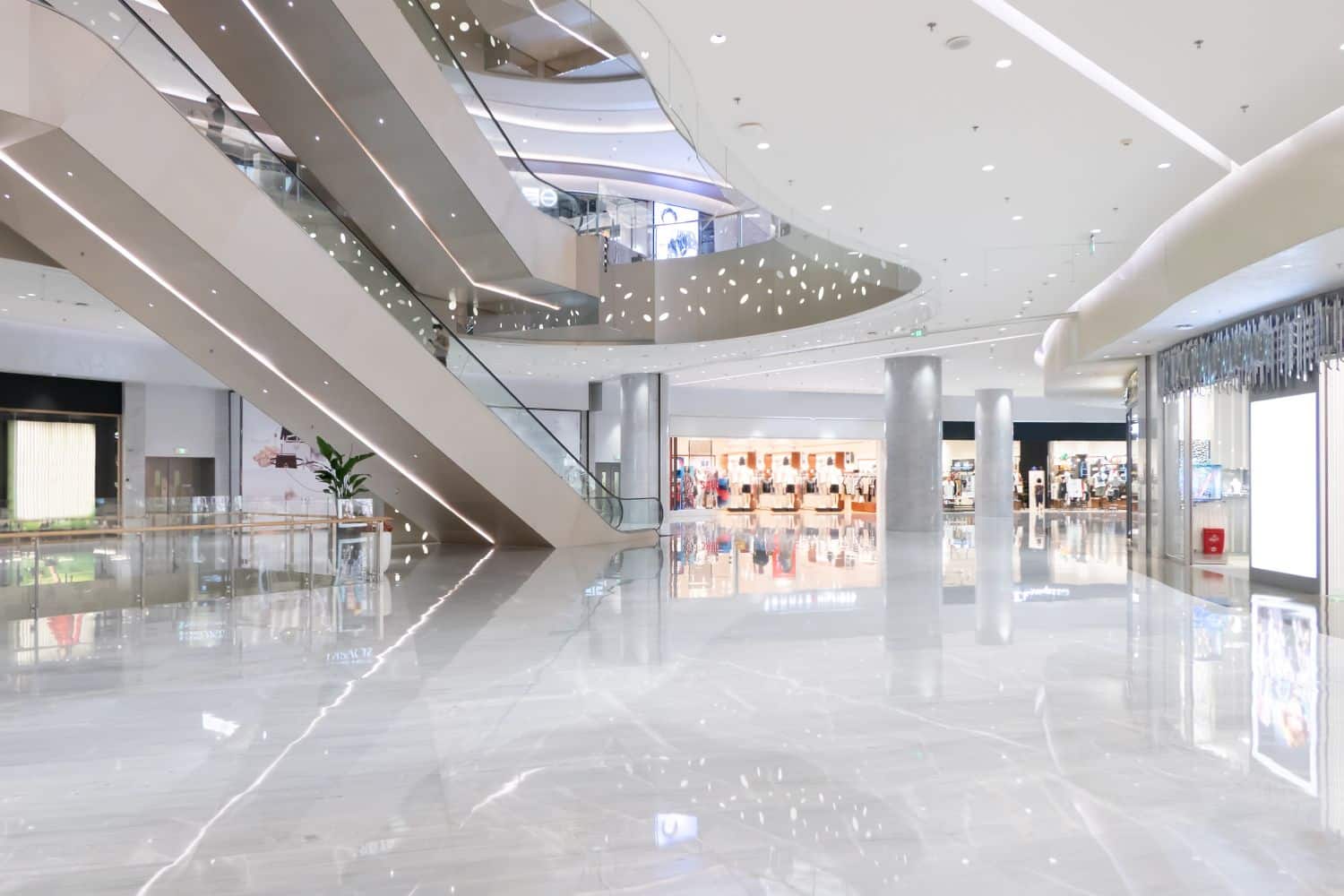
  • Retail and commercial premises: Attractive, durable surfaces capable of handling high footfall while remaining straightforward to clean and maintain.
  • Education and public buildings: Long-lasting flooring for busy schools, colleges, corridors, communal areas, and other high-traffic public spaces.
  • Sports and leisure facilities: Resilient flooring that can combine wear and impact resistance with easy cleaning and additional slip resistance where required.

Choosing the Right Polyurethane Material for Your Floor

Before choosing between a poured resin floor and a paint or coating, consider the condition of the existing substrate, expected foot and vehicle traffic, machinery loads, potential impacts, chemical exposure, and cleaning regime. Temperature fluctuations, hygiene requirements, slip resistance, and static control may also influence the specification.

For exterior projects, weather and UV exposure need to be taken into account, while businesses may also need to consider how much operational downtime is available for preparation, installation, and curing.

By working with us and bringing all of these factors into our consideration, we can recommend a polyurethane system based on how your floor will actually be used.

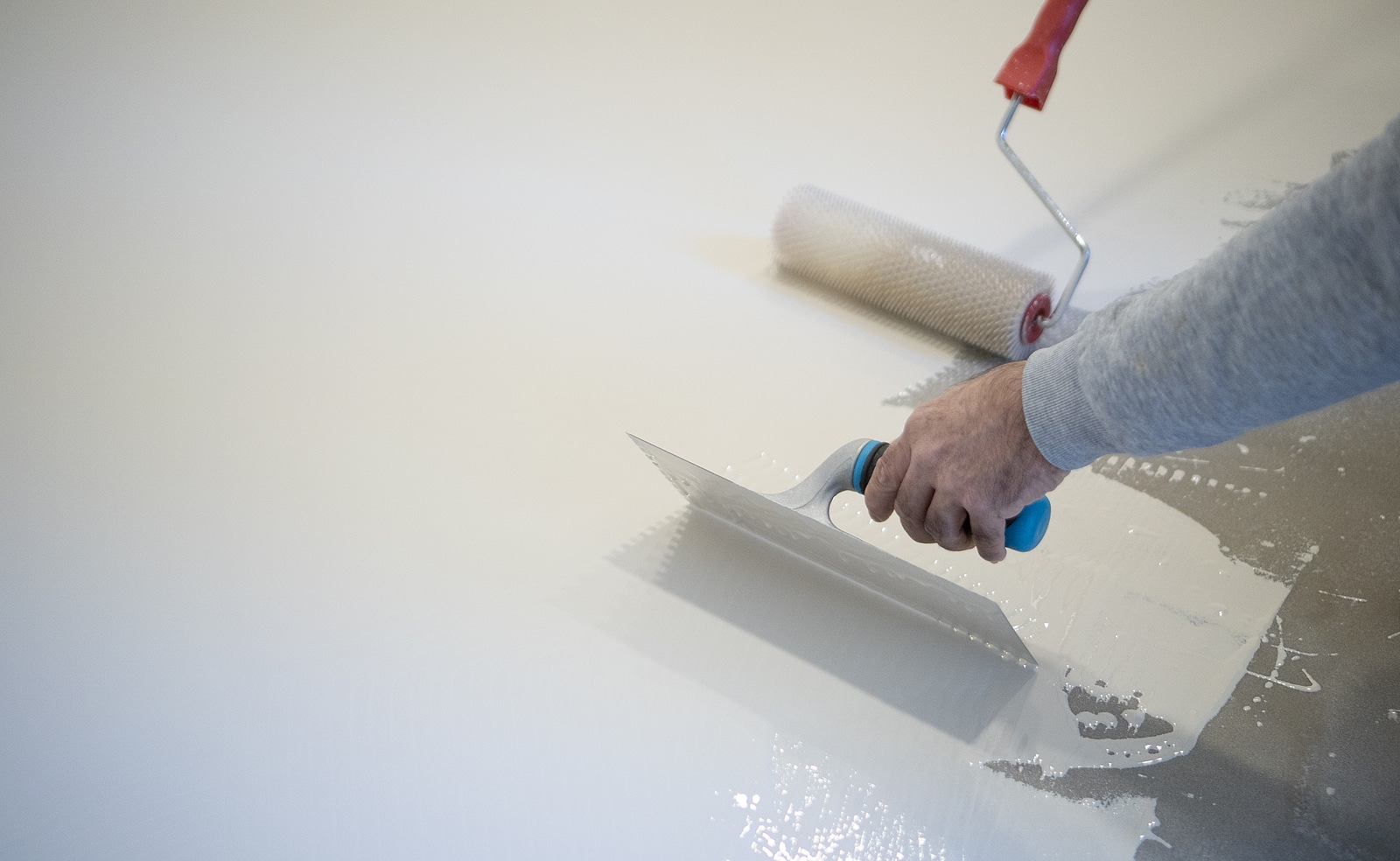
A construction working laying down a resin floor

Speak to Us About Polyurethane Flooring Materials

We’re ready, whether you need a heavy-duty poured polyurethane resin floor, a protective floor paint or coating, or a specialist system incorporating anti-slip, anti-static, or exterior performance characteristics. Our team can help you identify the right material for your site. With 40 years of industry experience, nationwide capabilities, and expertise spanning both concrete and resin flooring, we can assess your existing floor and recommend a complete solution designed around your operational requirements. Get in touch with us today for expert advice and a tailored quote for your polyurethane flooring project.