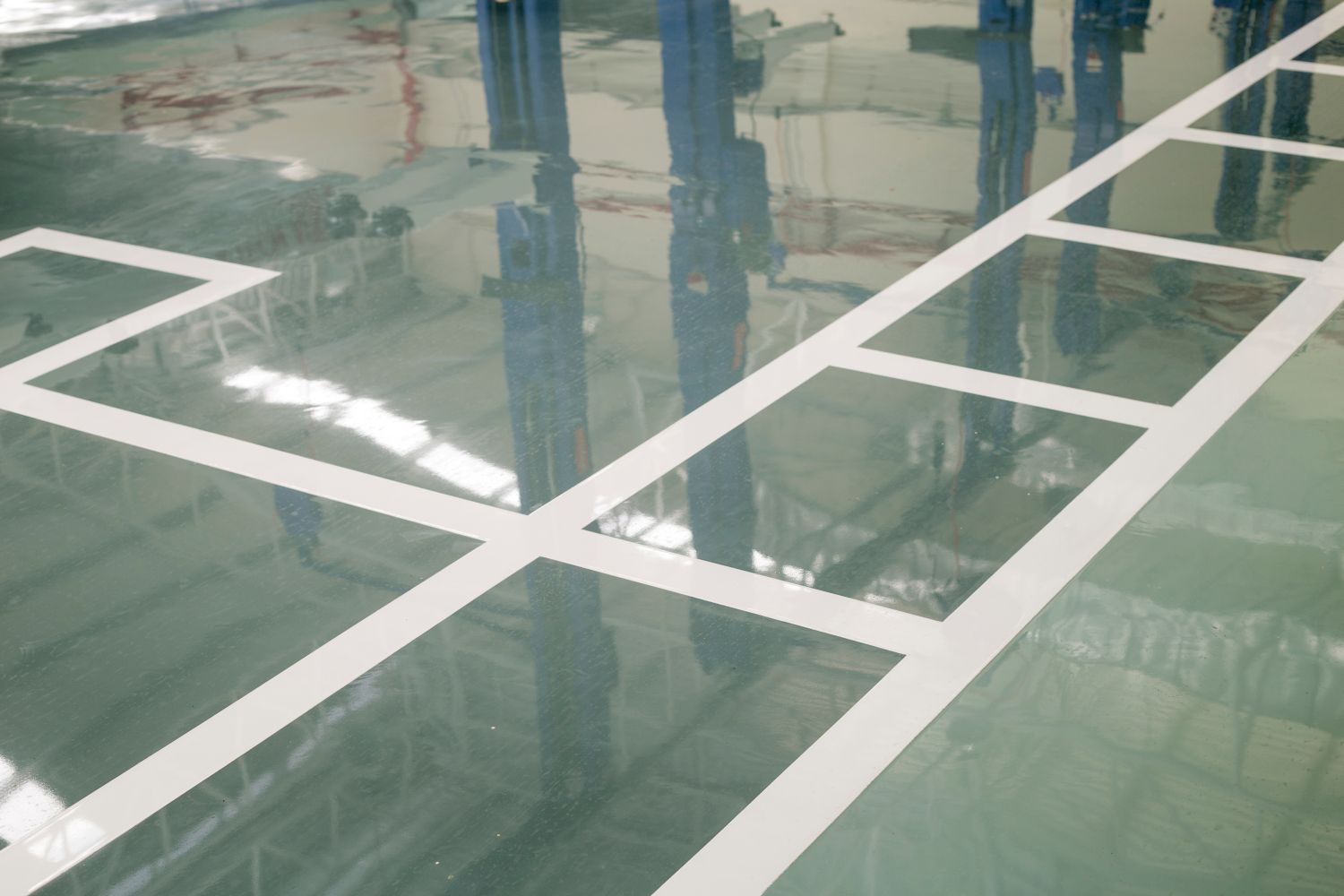
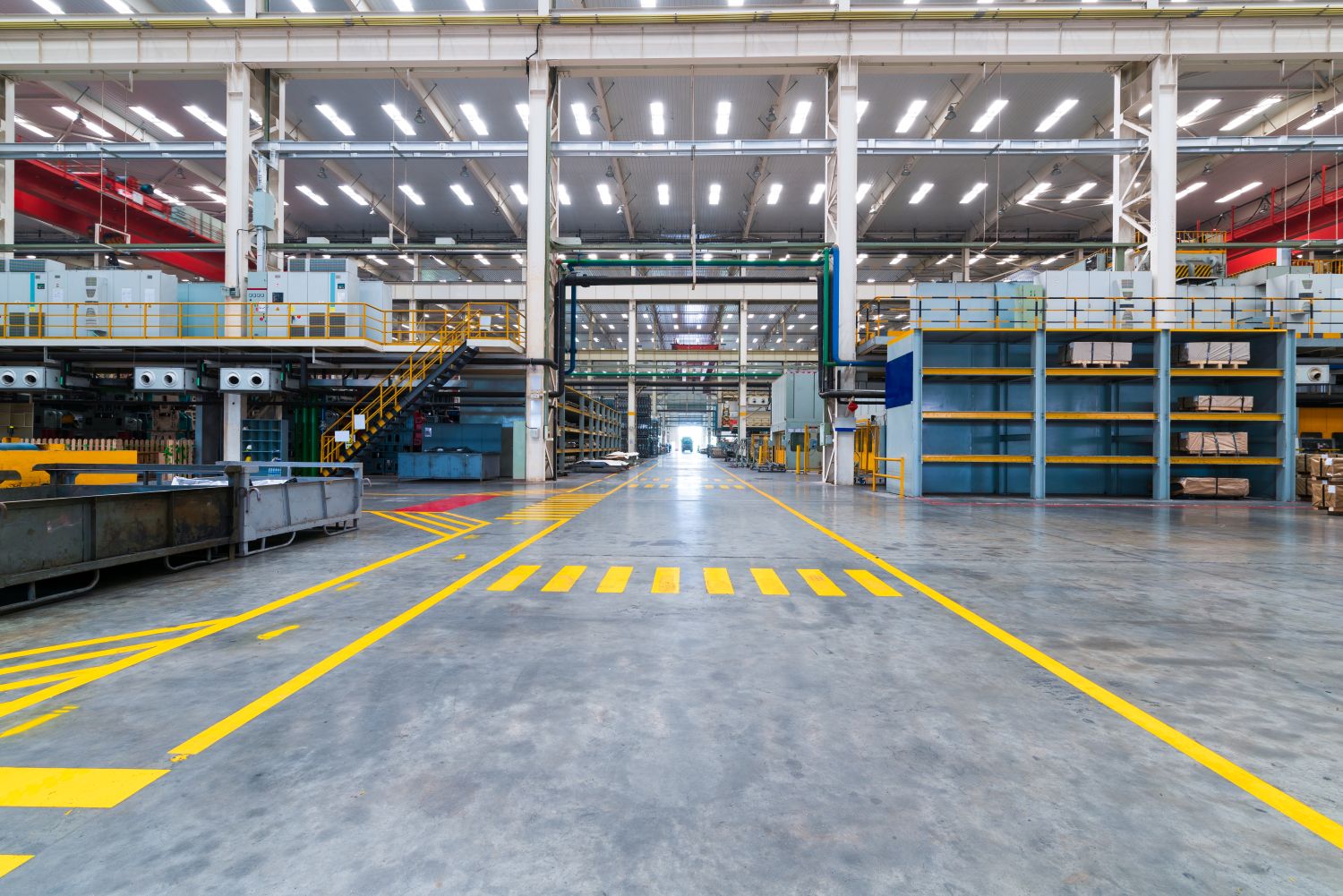
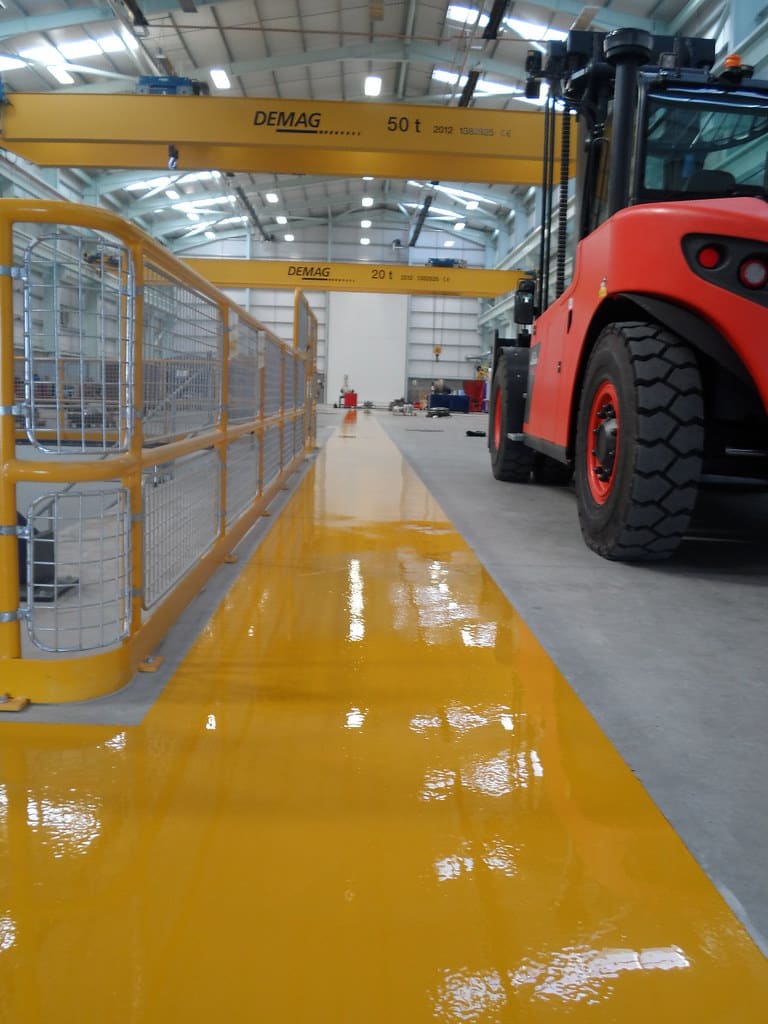
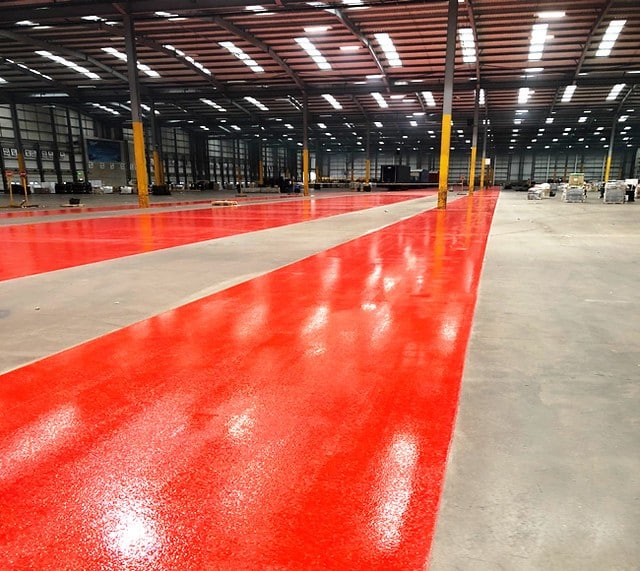
Polymer screed flooring provides a durable and versatile solution for commercial and industrial environments where a conventional floor may not offer the performance required. By combining cementitious screed materials with polymers, these systems can be formulated to provide enhanced strength, adhesion, and resistance to demanding operating conditions.

At Concrete Flooring Solutions, we work with a range of polymer screed and resin flooring materials, allowing the flooring system to be selected according to the requirements of each project. From warehouses and manufacturing facilities to healthcare settings and commercial premises, the right material can provide a long-lasting surface designed around how the space will actually be used.

What is Polymer Modified Screed?

A polymer-modified screed is a screed formulation enhanced through the addition of polymers. These additives alter certain properties of the material, helping to improve its performance when compared with a conventional cementitious screed.

Depending on the particular formulation and flooring system selected, polymer modification can provide benefits such as:

  • Improved adhesion, helping the screed bond effectively with a properly prepared substrate.
  • Greater strength and durability, making it suitable for demanding environments.
  • Improved resistance to water and wear, depending on the material specified.
  • Reduced permeability, which can be beneficial in environments regularly exposed to moisture.
  • Faster curing options, helping to reduce the amount of time an area remains unavailable.
  • Thinner application depths with certain systems, where project requirements allow.
  • Smooth and level finishes, including self-smoothing systems where required.
  • Compatibility with resin flooring systems, allowing the screed to form part of a wider flooring specification.

However, polymer-modified screeds are not all the same. Different formulations and resin technologies provide different characteristics, which is why the operating conditions and the floor’s intended use should always influence the material selected.


Types of Polymer Screed Flooring Materials

Chemical exposure, temperature changes, traffic levels, cleaning requirements, and the amount of downtime available can all affect which flooring system will be the most appropriate for your project.

We work with several flooring technologies that can be used to meet different commercial and industrial requirements.

Epoxy-Based Flooring Systems

Epoxy resin is widely used for industrial and commercial floors due to its durability, strong adhesion, and resistance to a range of chemicals and mechanical stresses. 

When properly specified and installed, epoxy flooring can bond effectively to concrete substrates and provide a hard-wearing surface capable of coping with frequent footfall, equipment, and operational activity. Its seamless finish can also make cleaning and ongoing maintenance more manageable.

However, epoxy will not necessarily be the right choice for every project. Environments involving substantial temperature fluctuations, particular chemicals, or greater substrate movement may be better suited to another resin technology. Cure time must also be considered where an operational facility needs to return to service quickly.

Polyurethane-Based Flooring Systems

Polyurethane flooring provides another durable option for demanding commercial and industrial environments. Compared with many epoxy systems, polyurethane can offer increased flexibility alongside strong resistance to abrasion, chemicals, and changing temperatures. These properties can make polyurethane particularly useful in environments where floors are exposed to regular cleaning, mechanical stresses, or temperature variation. 

Polyurethane systems can also be modified to meet particular requirements, including slip resistance and different surface finishes. As with epoxy, the precise formulation matters. The expected traffic, chemical exposure, temperature, and cleaning regime should all be considered before specifying a polyurethane system.

Methyl Methacrylate (MMA) Flooring Systems

Where minimising downtime is a priority, Methyl Methacrylate (MMA) flooring can provide an effective solution, as it’s particularly notable for its rapid curing characteristics. This can allow floors to return to service considerably faster than systems requiring longer curing periods, making it useful for busy commercial and industrial premises where closing an area for several days may be impractical.

This makes MMA particularly valuable for refurbishment projects, maintenance programmes, and other installations operating within tight timeframes.

Rapid curing does not, however, automatically make MMA the best material for every floor. Chemical exposure, expected wear, substrate condition, and the required finish still need to be considered alongside installation speed.
Terrazzo and Decorative Resin Systems

Where appearance is an important consideration alongside durability, terrazzo provides a distinctive flooring option. Traditional terrazzo is produced using aggregates such as marble, quartz, glass, or granite set within a cementitious or resin-based binder. Once cured, the surface can be ground, filled, polished, and sealed to create a smooth, attractive finish.

Thin-set epoxy terrazzo provides additional possibilities, including a wider range of colours and a thinner, lighter construction. However, certain terrazzo systems are better suited to interior environments, so the intended location needs to be considered when selecting the material.

One of terrazzo’s major advantages is longevity. The surface can be refinished when required, while its resistance to water, staining, and chipping can make it suitable for busy commercial environments where aesthetics and durability are equally important.

How Do Polymer Screed Flooring Materials Compare?

There is no single polymer screed floor that will be best for every building. Instead, the material should be matched to the conditions it will face.

Important considerations include:

  • Strength and durability: What traffic, equipment, or machinery will regularly move across the floor?
  • Chemical resistance: Could the surface be exposed to oils, cleaning chemicals, solvents, or other substances?
  • Abrasion and impact resistance: Is the floor likely to experience dropped equipment, heavy loads, or intensive traffic?
  • Temperature resistance: Will temperatures fluctuate significantly within the environment?
  • Curing time: How quickly does the area need to return to service?
  • Floor thickness: Are there restrictions on how much the existing floor level can be raised?
  • Appearance: Does the floor primarily need to be functional, or is a particular decorative finish required?
  • Slip resistance: Does the environment require additional grip to support safe movement?
  • Cleaning and maintenance: How frequently will the floor need to be cleaned, and what methods will be used?

Considering these requirements together allows us to help you design a flooring system around the project rather than choosing a material based on one characteristic alone.

The Benefits of Polymer Screed Flooring

One of the main advantages of polymer-modified flooring is its versatility. Different systems can be adapted to provide specific characteristics according to the environment in which they are installed. Depending on the material selected, benefits can include excellent durability, improved adhesion, water and chemical resistance, seamless finishes, and straightforward cleaning. Some systems can also provide rapid curing to minimise disruption, while others can be adapted to increase slip resistance or create an exceptionally smooth, level surface.

The result is a flooring solution that can be designed around the needs of an individual commercial or industrial environment.

Are There Any Drawbacks to Polymer Screeds?

Correct specification and installation are essential. The existing substrate must normally be carefully assessed and prepared to help achieve a reliable bond. Cracks, contamination, moisture, or an uneven substrate may require additional preparation before installation can begin.

Different materials also have their own limitations. A system with excellent chemical resistance may not offer the fastest cure time, while a rapidly curing material may not be necessary for a project where downtime is less important. Temperature, moisture, and other environmental conditions during installation may also need to be controlled.

Polymer-modified systems can additionally represent a greater initial investment than basic flooring options. However, durability, reduced maintenance requirements, and longer service life can make the overall value of a correctly specified floor more important than its upfront cost alone.

How Is a Polymer Screed Floor Installed?

Installation varies according to the chosen material, existing substrate, and required finish, but preparation is one of the most important parts of achieving a successful floor.

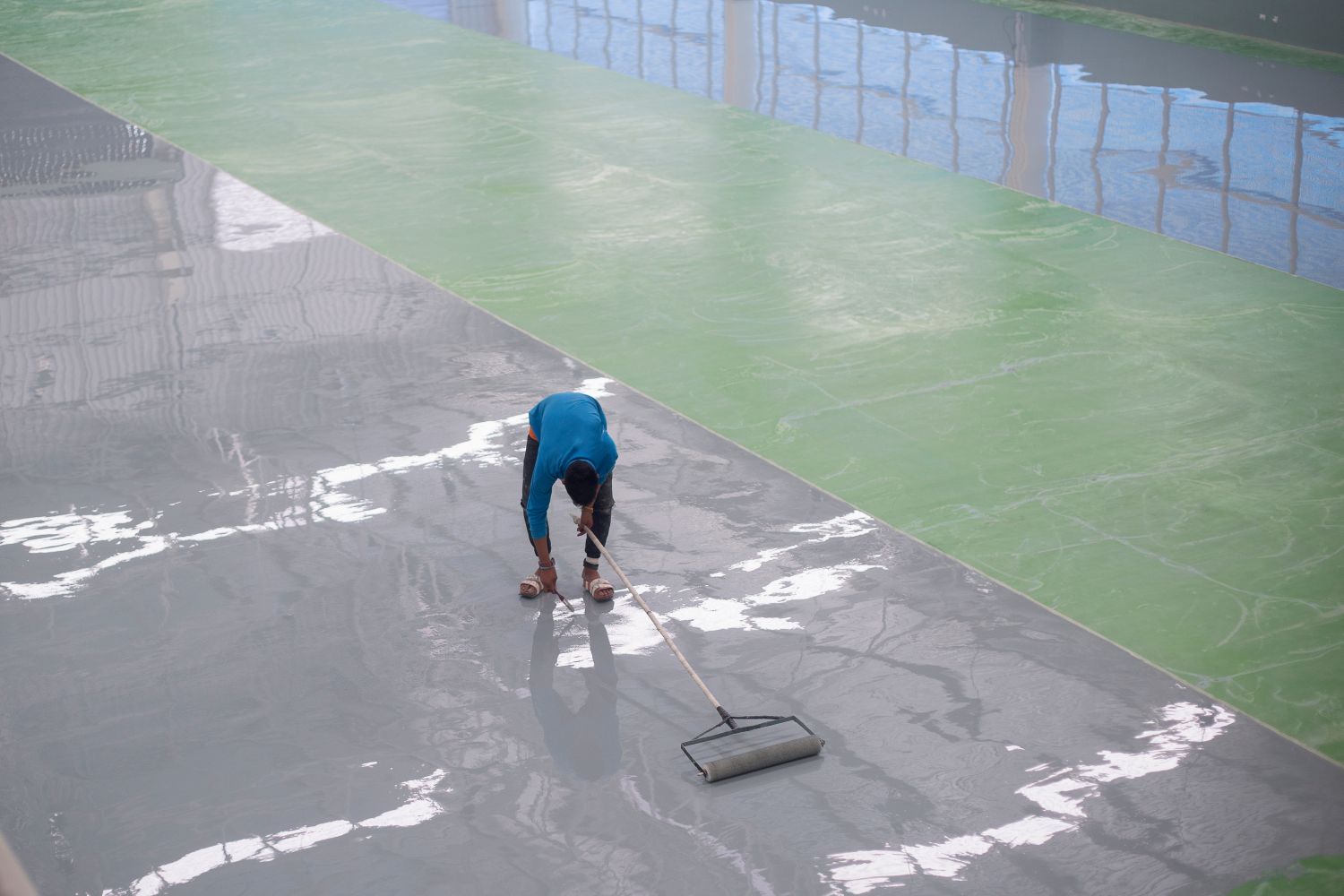
The process will typically begin with an assessment of the existing substrate and the requirements of the finished surface. The floor can then be prepared, with repairs and priming completed where necessary. The selected material is mixed according to its specification before being applied at the required depth. Depending on the system, it may be poured, spread, trowelled, or self-smoothed to create the required surface.

The floor is then allowed to cure. Cure times vary considerably between materials, which is why the operational requirements of the premises should be considered during specification. Additional finishes, protective systems, or markings can then be applied where required before the completed floor is inspected.

Industries That Use Polymer Screed Flooring Materials

Polymer-modified and resin flooring systems are incredibly versatile, which makes them suitable for a wide variety of commercial and industrial environments, including:

  • Warehousing and distribution: Durable surfaces can withstand regular footfall, storage operations, and movement of equipment.
  • Manufacturing and engineering: Hard-wearing systems can be selected to cope with mechanical stresses, oils, chemicals, and intensive use.
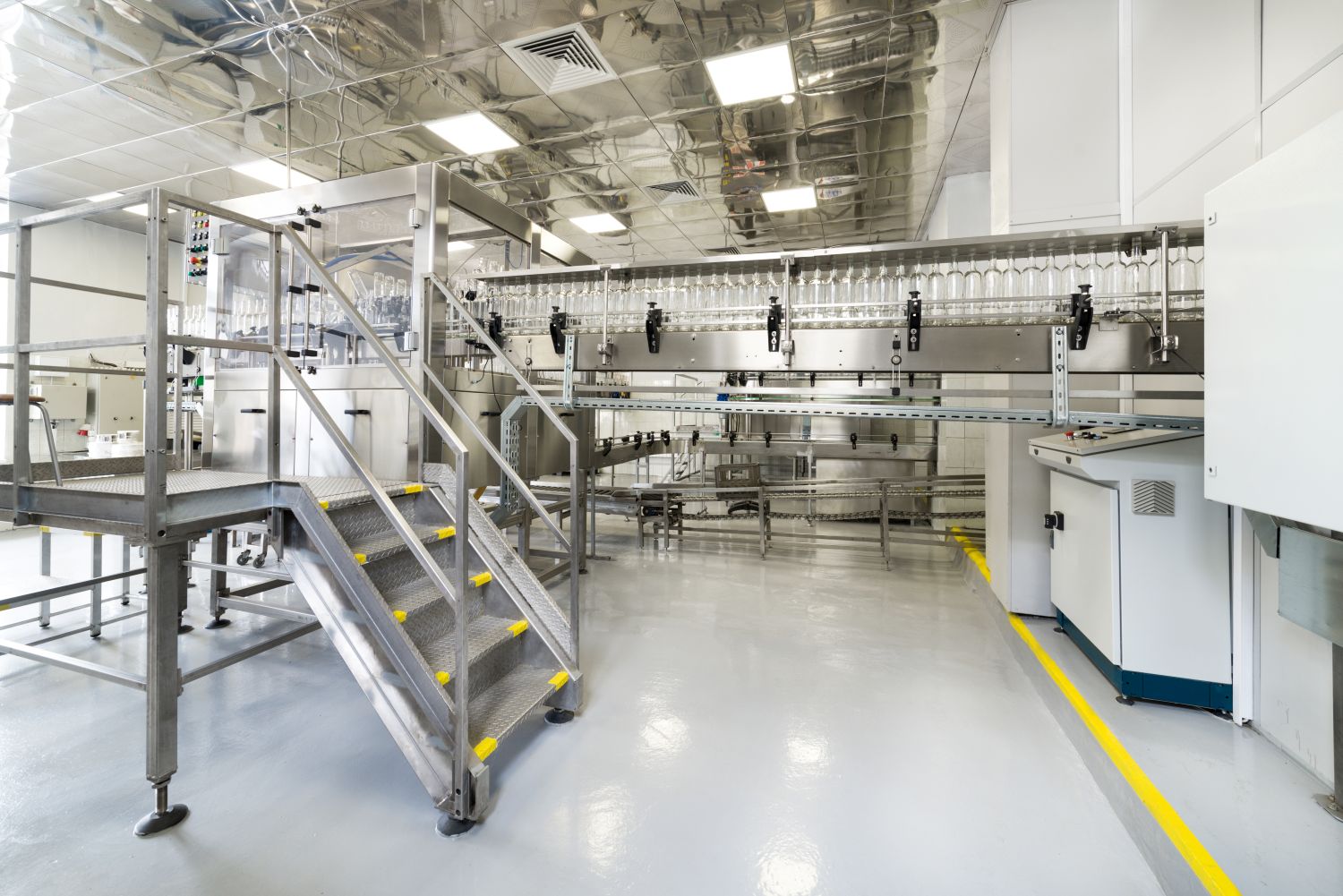
  • Food and beverage production: Seamless, easy-to-clean flooring can support environments with demanding hygiene and cleaning requirements.
  • Healthcare and laboratories: Smooth, practical surfaces can provide straightforward cleaning and maintenance.
  • Education: Schools, colleges, and universities can all benefit from durable flooring designed for busy areas.
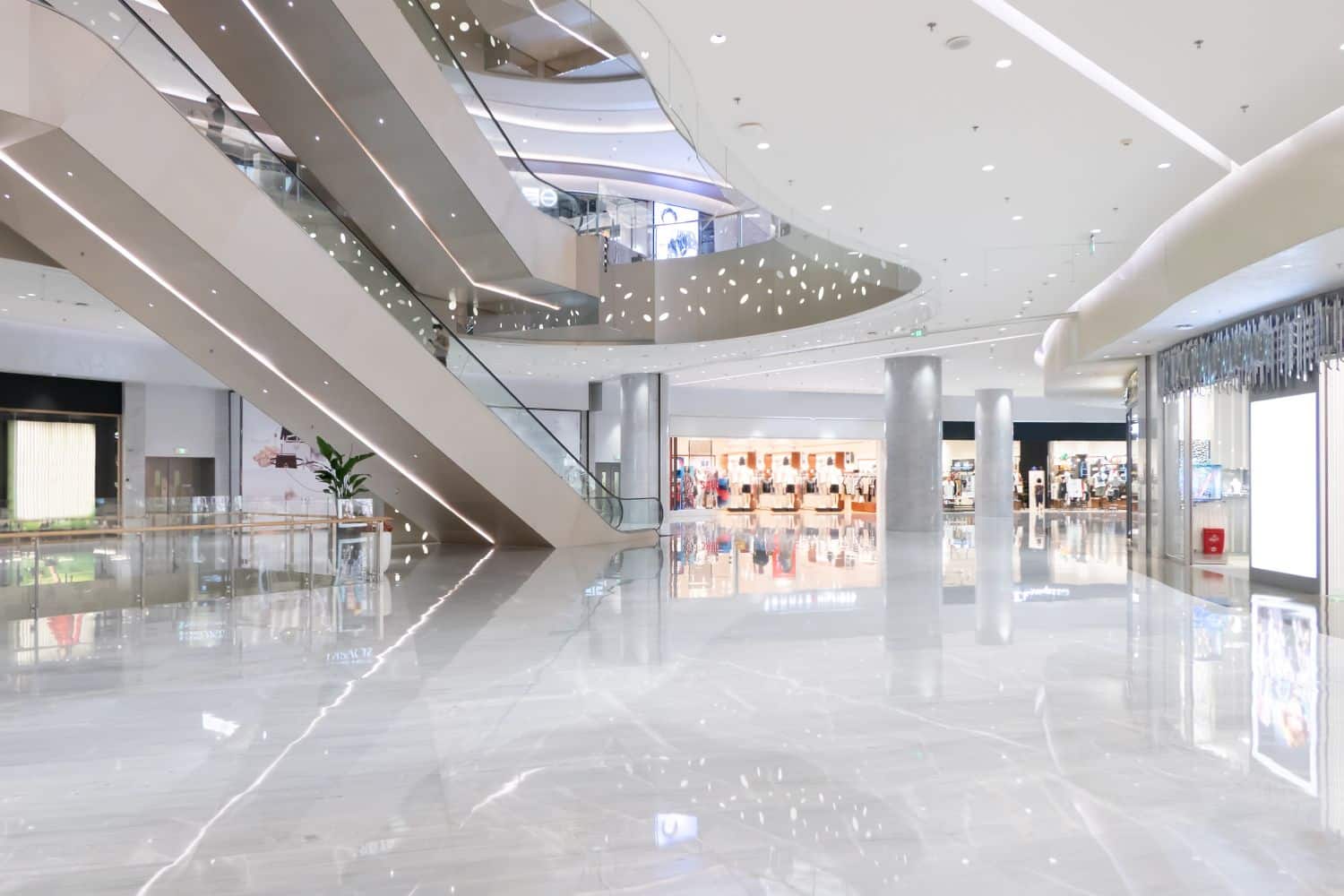
  • Retail and commercial premises: Hard-wearing materials can combine practical performance with a clean, professional appearance.
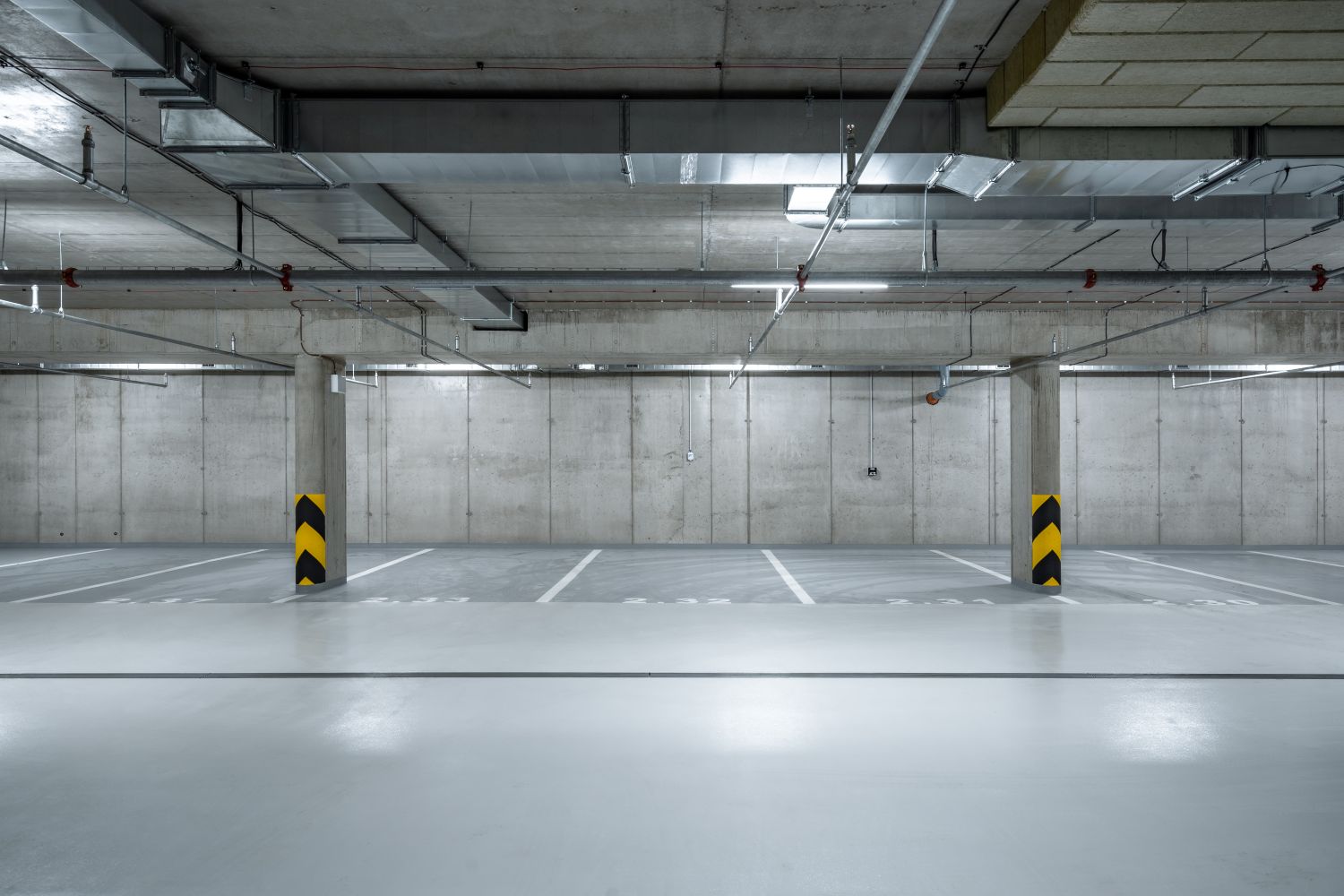
  • Automotive and transportation: Flooring can be specified to cope with vehicles, equipment, and operational wear.
  • Sports and leisure facilities: Durability, cleanability, and slip resistance can all be considered when specifying flooring for heavily used facilities.

We also work across other sectors where a specialist floor is required, allowing the material and finish to be adapted to the particular demands of the premises.

How Much Does Polymer Screed Cost?

Costs can vary significantly from one project to another because the final price is determined by both the material selected and the conditions in which it needs to be installed.

Factors influencing the cost can include:

  • The type of polymer or resin system specified
  • The total floor area
  • The required application thickness
  • The condition of the existing substrate
  • Preparation and repair work
  • Required chemical, mechanical, or temperature resistance
  • Slip-resistant or decorative finishes
  • Site access
  • Required curing and turnaround times

For this reason, assessing the project before providing a quotation offers a much more accurate indication of cost than relying on a standard price per square metre.

Why Choose Concrete Flooring Solutions?

We’re proud of our 40 years of industry experience, and install more than 180,000m² of flooring each year for customers throughout the UK. As specialists in both concrete and resin flooring, we can provide a joined-up approach to projects requiring expertise across the underlying concrete substrate and the specialist flooring system installed above it. Rather than coordinating separate contractors, customers can work with one experienced team responsible for the flooring project.

We’re recognised by the Association of Concrete Industrial Flooring Contractors for our project expertise, and we’re a Constructionline Gold member. Our experience extends across warehouses, factories, healthcare and education facilities, retail and commercial premises, sports facilities, and many other demanding environments.

We consider the conditions your floor will face and the performance you need from it before helping you identify the most appropriate solution.

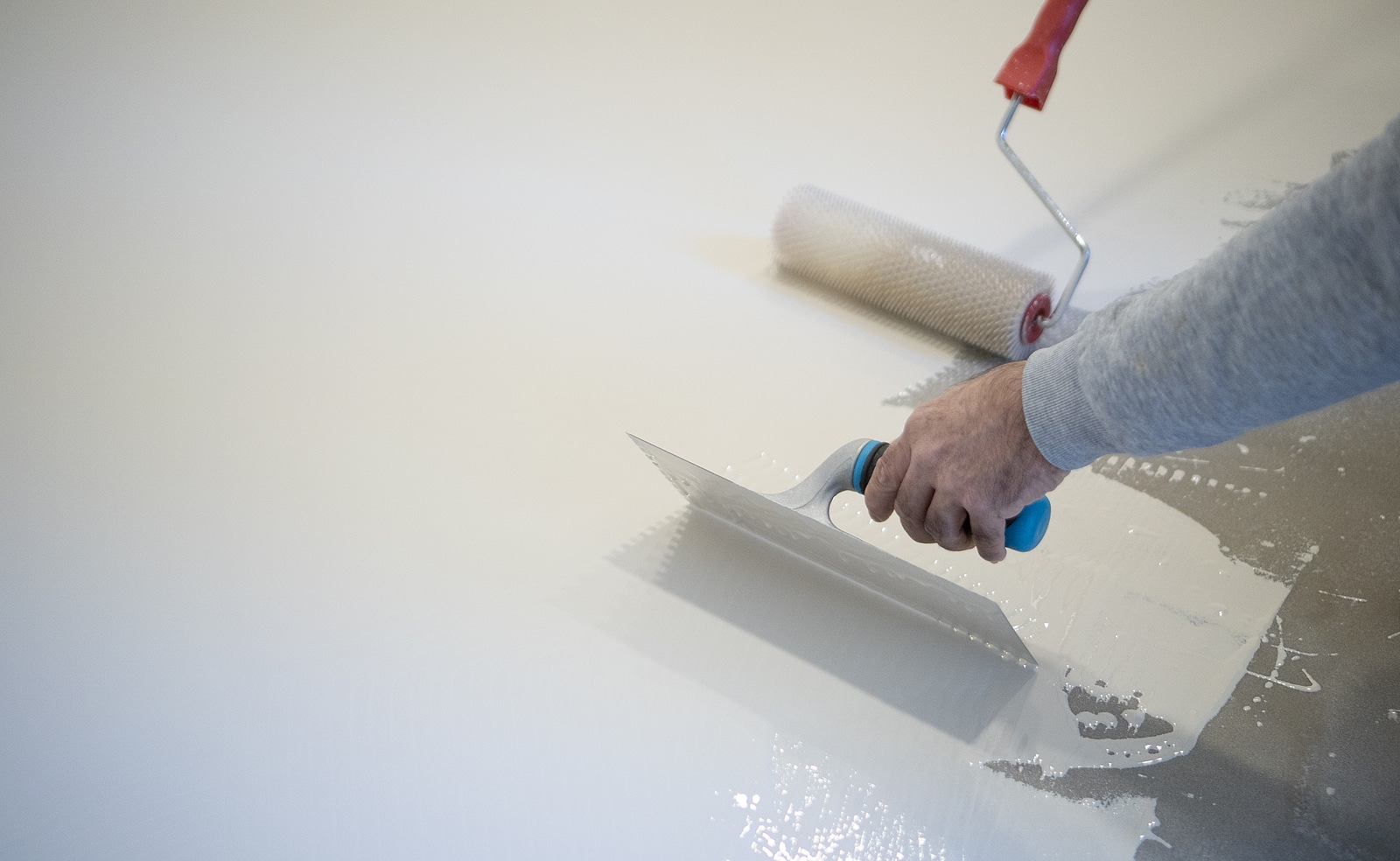
A construction working laying down a resin floor

Speak to Us About Polymer Screed Flooring

Whether you are replacing a worn or uneven industrial floor, specifying flooring for a new development, or need a surface capable of meeting particular chemical, hygiene, durability, or turnaround requirements, Concrete Flooring Solutions can help. Our specialists can assess your project, discuss the different polymer-modified screeds and resin flooring systems available, and recommend a solution suited to your premises and operational requirements. Get in touch with us today to discuss your requirements and request a quote.