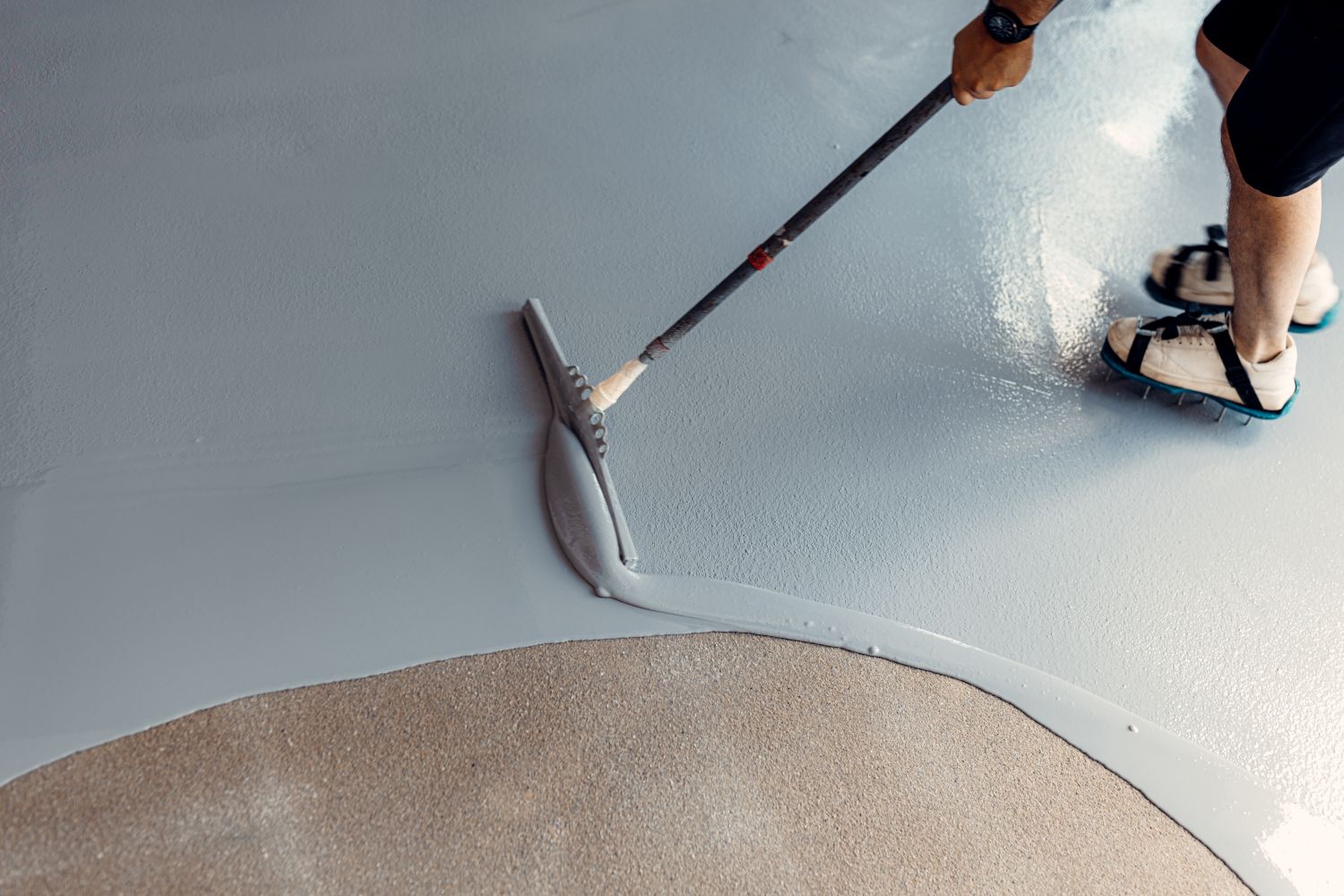

Every space has its own set of demands, and we take the time to understand yours. With decades of industry experience, we know what different sectors need from their flooring– from safety and hygiene to durability and design. Our anti-static resin floors are tailored to suit your specific environment, usage, and performance requirements. Whether you’re in healthcare, manufacturing, or electronics, we deliver a solution that’s built around you and designed to last.
Top-Quality, Anti-Static Resin Flooring
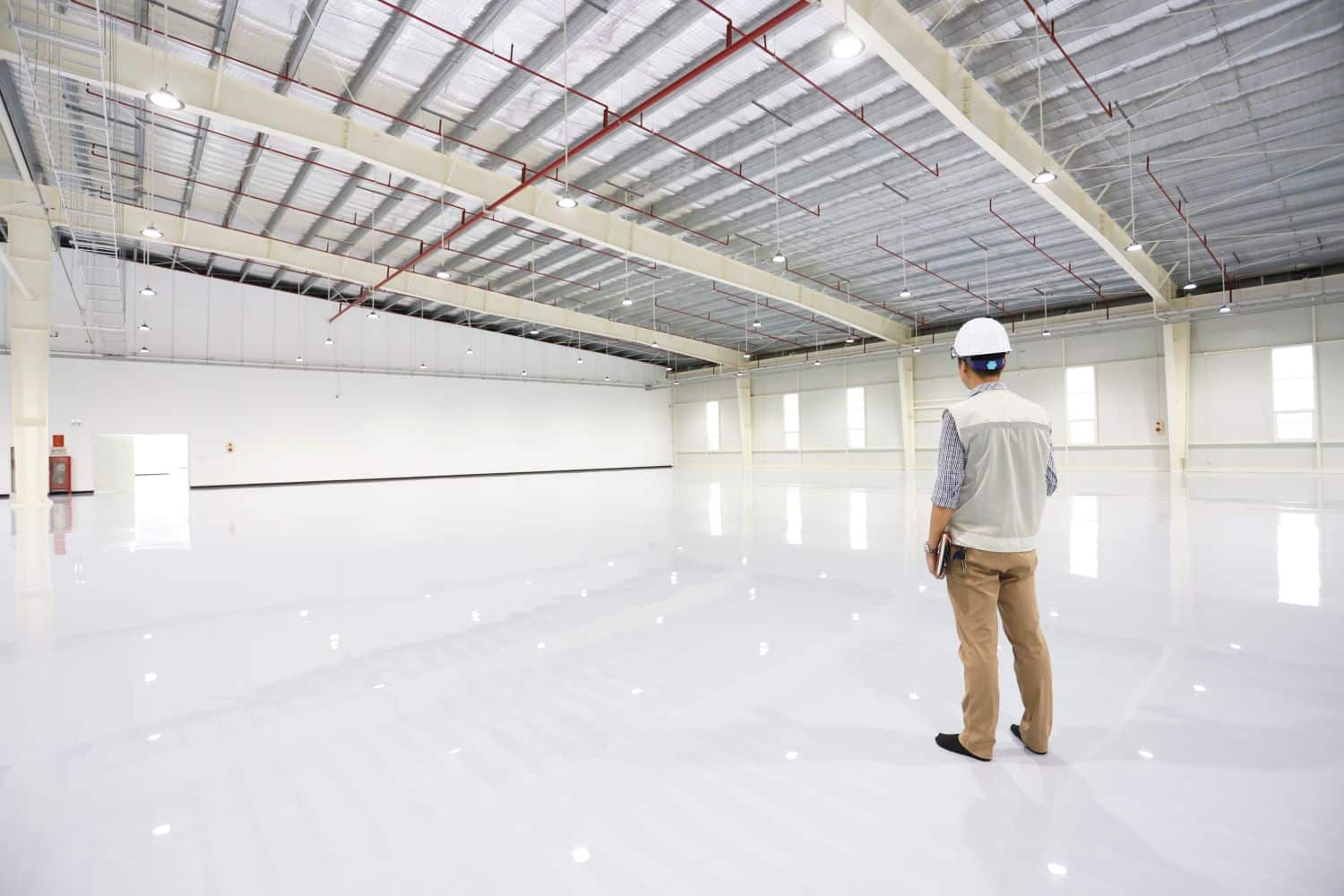
Our anti-static resin flooring is a high-performance solution designed to protect specialist environments from electrostatic discharge (ESD). This epoxy-based system is layered and sealed for maximum durability, creating a seamless, long-lasting finish that safeguards both your employees and equipment. Ideal for healthcare, electronic engineering, and industrial settings, anti-static resin flooring helps prevent static build-up that can damage delicate components or harm people.
Our anti-static resin floors combine conductive materials, a copper earthing network and a hard-wearing polyurethane or epoxy finish. This results in a seamless and long-lasting floor that ensures protection of all products and your people.
As one of the UK’s leading experts in resin and concrete flooring, we deliver quality without compromise. Our team specialises in efficient, cost-effective installations that stand the test of time, offering reliable flooring solutions tailored to your specific operational needs.
The Benefits of Anti-Static Resin Flooring
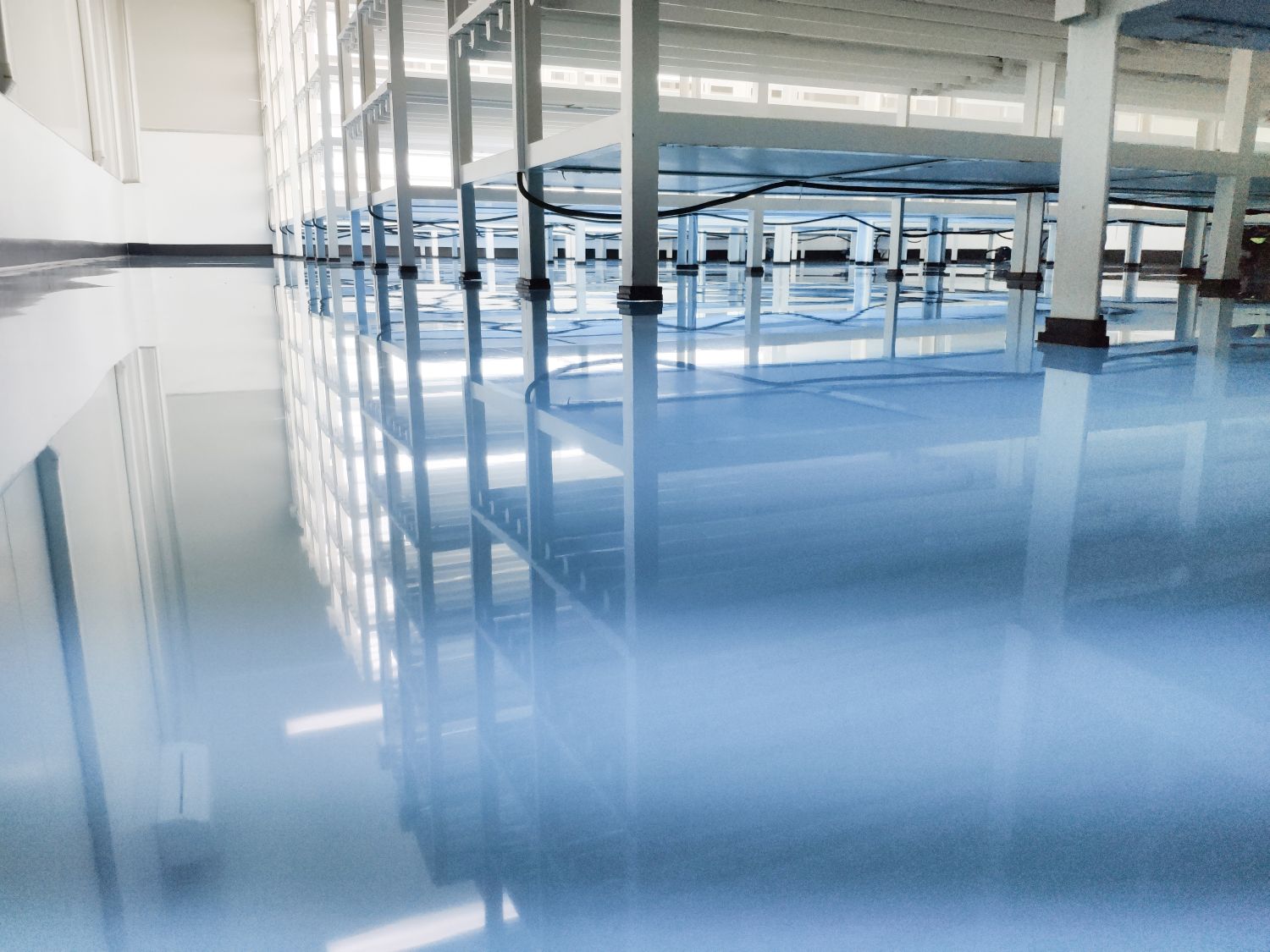
Anti-static resin flooring provides a reliable defence against electrostatic discharge (ESD), offering essential protection in settings where static build-up could disrupt sensitive processes or put people at risk. Ideal for industries such as healthcare, electrical engineering, or industrial environments, this type of flooring delivers performance where it matters most. Its benefits include:
- ESD Control: Actively disperses static electricity to prevent interference with equipment and protect staff.
- Durable Performance: Withstands heavy footfall, wheeled traffic, and impact from dropped tools or equipment without cracking or chipping.
- Anti-Slip Surface: Offers secure traction underfoot and for vehicles, reducing slip hazards in high-traffic zones.
- Chemical Resistance: Can withstand exposure to harsh chemicals from cleaning agents to industrial substances.
- Hygienic and Easy to Clean: The seamless finish prevents dirt build-up and is easy to sanitise, ideal for controlled environments where hygiene is essential.
- Low Maintenance: Requires minimal upkeep for seamless processes and reducing long-term costs.
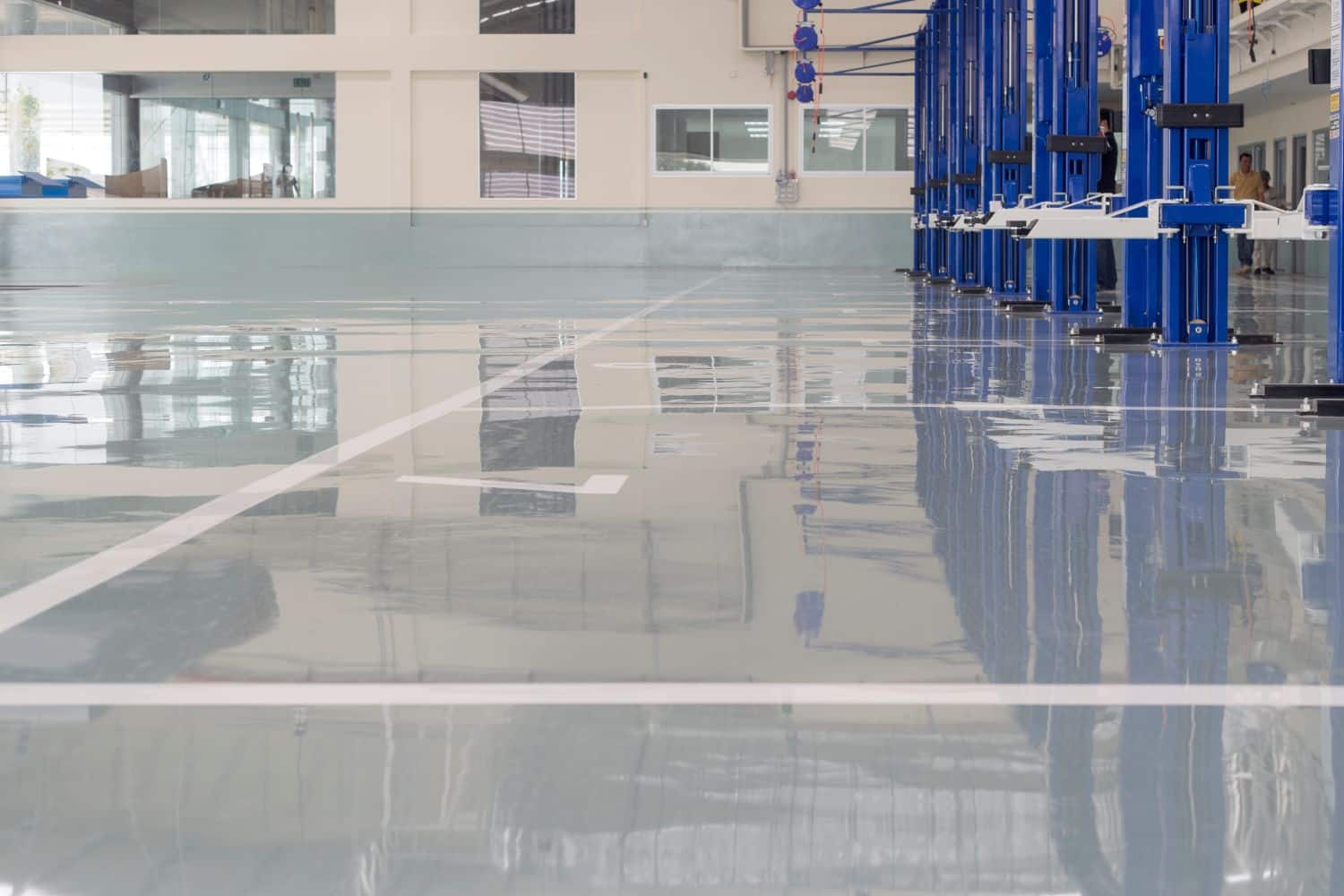
Industries We Install Anti-Static Flooring For
Rely on Anti-Static Flooring Experts
With over 40 years of specialist experience, we’re leading experts in the UK known for delivering anti-static resin flooring that’s engineered for performance, safety, and longevity. Every installation is carried out by our skilled in-house team, who apply their technical expertise to ensure precision and consistency at every stage.
We’re proud members of the Resin Flooring Association (FeRFA), working to the highest industry standards on every project. Our team is also accredited to install Ucrete – a robust, high-performance resin system designed to meet the challenges of demanding environments. When static control and durability are essential, Ucrete offers a proven solution.
Whether you’re managing a medical facility, electronics lab, or industrial space, our experience ensures that your anti-static resin flooring is fit for purpose. From surface preparation to final finish, we focus on delivering resilient, professional-grade results tailored to your operational needs.
How We Install Anti-Static Resin Floors
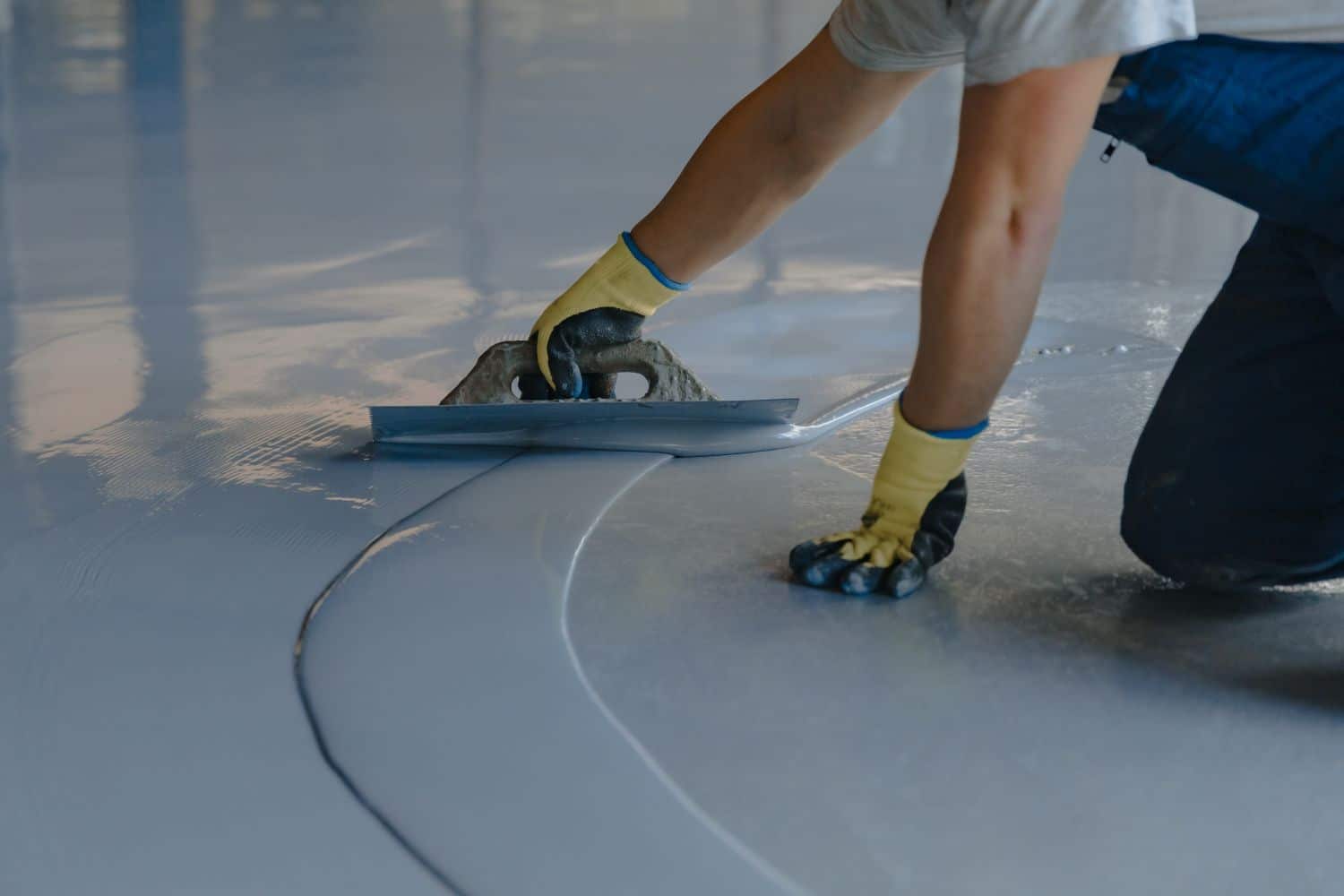
Our installation process is designed to minimise disruption and deliver a flawless resin floor with speed and precision. From initial planning to final application, every step is handled by our experienced in-house team, ensuring a smooth, efficient service that fits around your schedule:
- Survey and specification: We first assess the substrate and test moisture levels to have an idea of the required resistance range.
- Surface preparation: Through varied use of diamond grinding or shot blasting (depending on the surface) we remove laitance and contaminants so a stronger bond could be formed.
- Repairs & Primping: Cracks & joints are repaired and the floor is primed.
- Earthing network: Copper tape will then be laid and connected to earthing points. Final connection to building earth is made by our qualified electrician.
- Conductive layer: Conductive primer spreads charge evenly to the earthing network.
- Topcoat: A conductive or static dissipative polyurethane or epoxy finish is then applied.
If your space requires concrete groundwork before applying the resin surface, we’ve got it covered. We’re leading concrete experts, so we can pour your concrete and resin floors with no delays and no third-party contractors – just one expert team overseeing every stage to ensure your floor is built on a solid, professionally prepared foundation.

Case Study: Anti-Static Flooring for a Vaccine Production Facility
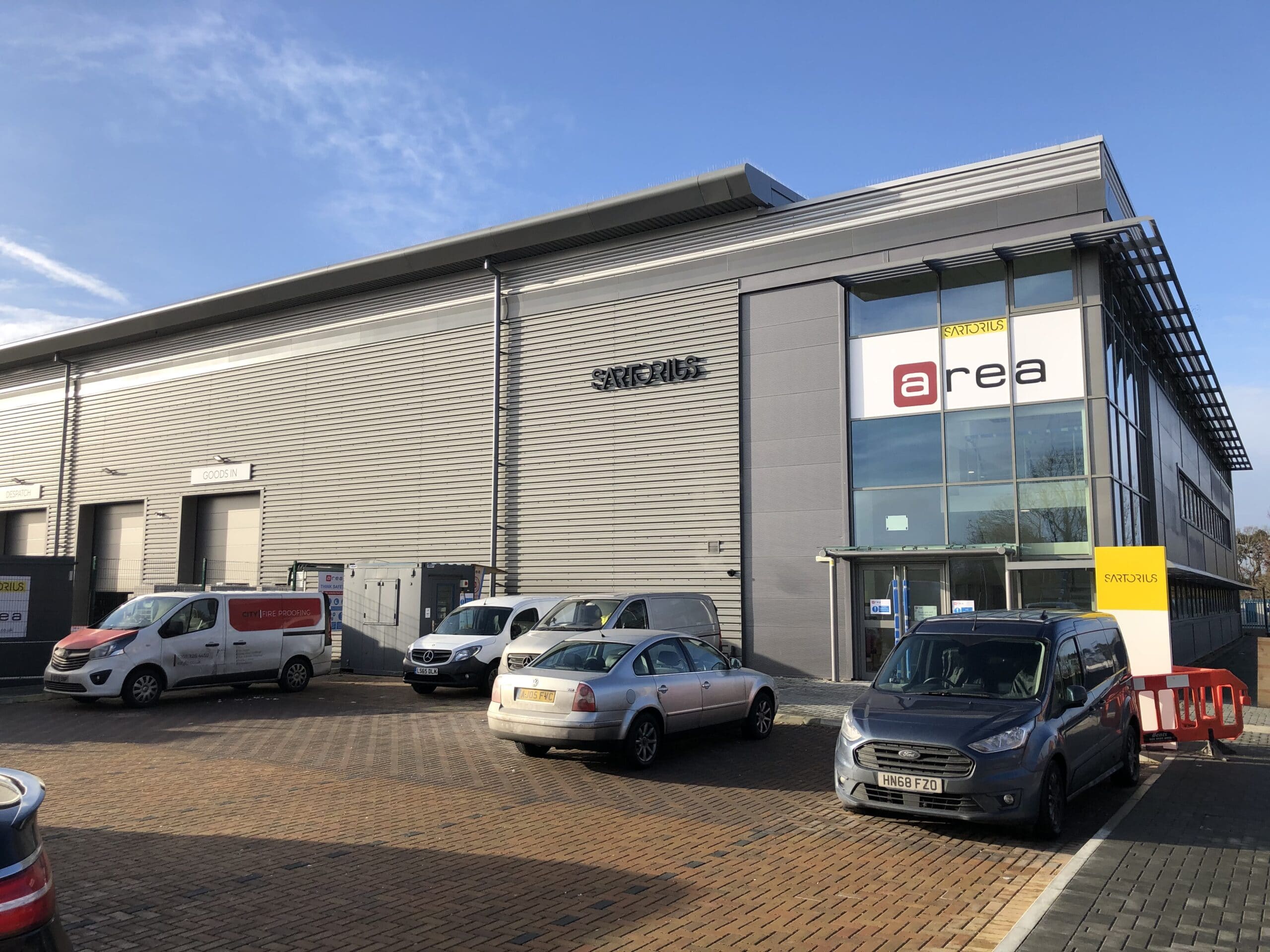
When Sartorius built a new COVID-19 vaccine production facility in Havant Hampshire, they needed an anti-static floor in a short amount of time, that could also meet the demands of a controlled pharmaceutical environment. Concrete Flooring Solutions came to the rescue!
We installed a 2.5mm polyurethane anti-static self soothing resin floor across the production area, including the laboratories. This work also included:
- A chemical damp proof membrane to the new concrete slab
- 140 linear metres of 100mm resin-formed coving to the laboratory and cold room areas.
- Cleaning and sealing the warehouse floor with an acrylic dust sealer.
Despite it being a last-minute major specification change and multiple trades are working in and around the area, we completed the installation on schedule across multiple stages.
Start Your Epoxy Resin Flooring Project Today
For a top-quality, long-lasting, anti-static resin floor tailored to your needs, get in touch today. Speak to our expert team and request your personalised quote – we’re ready to help.
FAQs and Helpful Information
How does anti-static flooring work?
Conductive materials in the resin create a path for electrical charge. Charge travels through the floor to a copper earthing network connected to building earth, so it can’t build up on people or equipment.
What’s the difference between anti-static and ESD flooring?
ESD flooring is specified by electrical resistance and forms part of a full ESD control programme. “Anti-static” is broader and can simply mean a floor that generates less charge. Sensitive electronics need a properly specified ESD floor.
What thickness is an anti-static resin floor?
It depends on the system and use. For example, we installed a 2.5mm polyurethane anti-static self-smoothing floor in a vaccine production facility. Thinner coatings suit lighter-duty areas, and we’ll recommend the right build-up during the survey.
Do I need special footwear?
Yes, in ESD-sensitive areas. The floor and footwear work as one system. Standard footwear can insulate a person and stop charge draining away.
Is anti-static flooring suitable for ATEX zones?
Conductive resin floors are commonly used in DSEAR-classified areas. The required resistance should match your site’s risk assessment, and we specify the system accordingly.
Can you install anti-static flooring over an existing floor?
Often, yes. It depends on the condition of the substrate and existing coating. We confirm suitability during the survey.
How long does an anti-static resin floor last?
With correct maintenance, many years. Lifespan depends on traffic, cleaning and chemical exposure. Periodic resistance testing confirms ongoing performance.
How much does anti-static flooring cost?
ESD systems cost more than standard resin floors because of the earthing network, conductive materials and testing. Price depends on area, classification and substrate condition.