
Laying Concrete for a Path, Patio, Driveway, or Other Projects
It is possible to undertake small concrete projects such as a path, patio or driveway yourself. Laying concrete can be a helpful skill for many people. If you want the best outcome, you will require the most effective techniques, and here we will explore a few of the main tips for laying concrete at home.
It is a good idea to educate yourself on the process and practicalities of laying concrete, as it is for a variety of other construction techniques. You will gain a valuable skill and can understand the process more fully. An appreciation of construction techniques will also influence the way you relate to structures.
We are experts in laying concrete and can provide a wide range of commercial and residential concrete flooring services for you when you require professional assistance. For larger or more complex projects that involve laying concrete and other methods of construction, make sure you contact us for a free quote.
Laying Concrete in a Variety of Home Projects
Once you decide to embark on your own project, you will probably have a great deal of uncertainty about the precise method of pouring concrete for your particular project. However, for the majority of home projects, you will largely use the same standard set of principles.
The principles of laying concrete will apply to many types of project including the following:
- Patios: Pouring concrete for a patio will be possible and can provide a level outdoor space. This surface will be suitable for further design additions, such as tiles, slate or paint.
- Slabs: A concrete slab in a garden can serve as a space to land a deck chair, and can be useful in front of a doorway, too. By laying a concrete slab, you give yourself the option of building on it further or adding more slabs.
- Driveways: A small driveway can be a project you do yourself, and a driveway with level concrete will provide a smooth surface for your vehicle. Properly laying concrete for a driveway will produce a long-lasting result.
- Paths: Whether you want a simple garden path leading to an outbuilding or just a series of slabs on which to step, a pathway can provide an even walking surface. Brushed finishes can also reduce the chance of slipping.
It is a good idea to get to grips with smaller projects first, so you can get a feel for pouring concrete and what it is like to work with this material. With a solid understanding of what it is like to use concrete, you will become more confident in pursuing larger projects.
Preparing the Surface for Laying Concrete
Whether you are installing a single concrete block or a larger driveway, you still need to prepare the surface correctly. The first thing to do is to prepare the ground where you will be laying the concrete. The basic preparation layers before you even begin laying the concrete consist of soil, then hardcore and then sand.
First, remove a layer of topsoil, you will need to remove any weeds and stones. This will help create a level surface where you can add your base. Your blocks or slabs will be more stable and take any weight evenly as a result, giving you a more stable final product.
You will be laying concrete on a base, which will consist of loose hardcore and pieces of blocks and other construction aggregates. You have to compact this layer and add a layer of sand too, as well as a plastic sheet to reduce any issues with moisture.
Getting Ready for Laying Your Concrete
Now that the site is clear and there is a flat and level surface, you will need to create some formwork. Formwork is the temporary structure where you will be pouring your concrete, essentially it is a mould for your concrete blocks that will need to fit the dimensions of your complete slab.
Using pieces of timber you can create the frame for your formwork. Driving wooden pegs into the ground on the outside of the frame will keep the timber in place. You can then check the formwork is level, or add a slight slope for drainage if this is desirable – such as in the case of a garden path.
When you are doing more expansive projects, such as longer driveways or bigger patios, you will need to divide the concrete into separate sections so the blocks are stable and have a solid foundation. Use wooden boards and lay them across the formwork at about every 4 meters, this will make sure each slab is secure.
Pouring and Laying Concrete Onto Fully-Prepared Ground
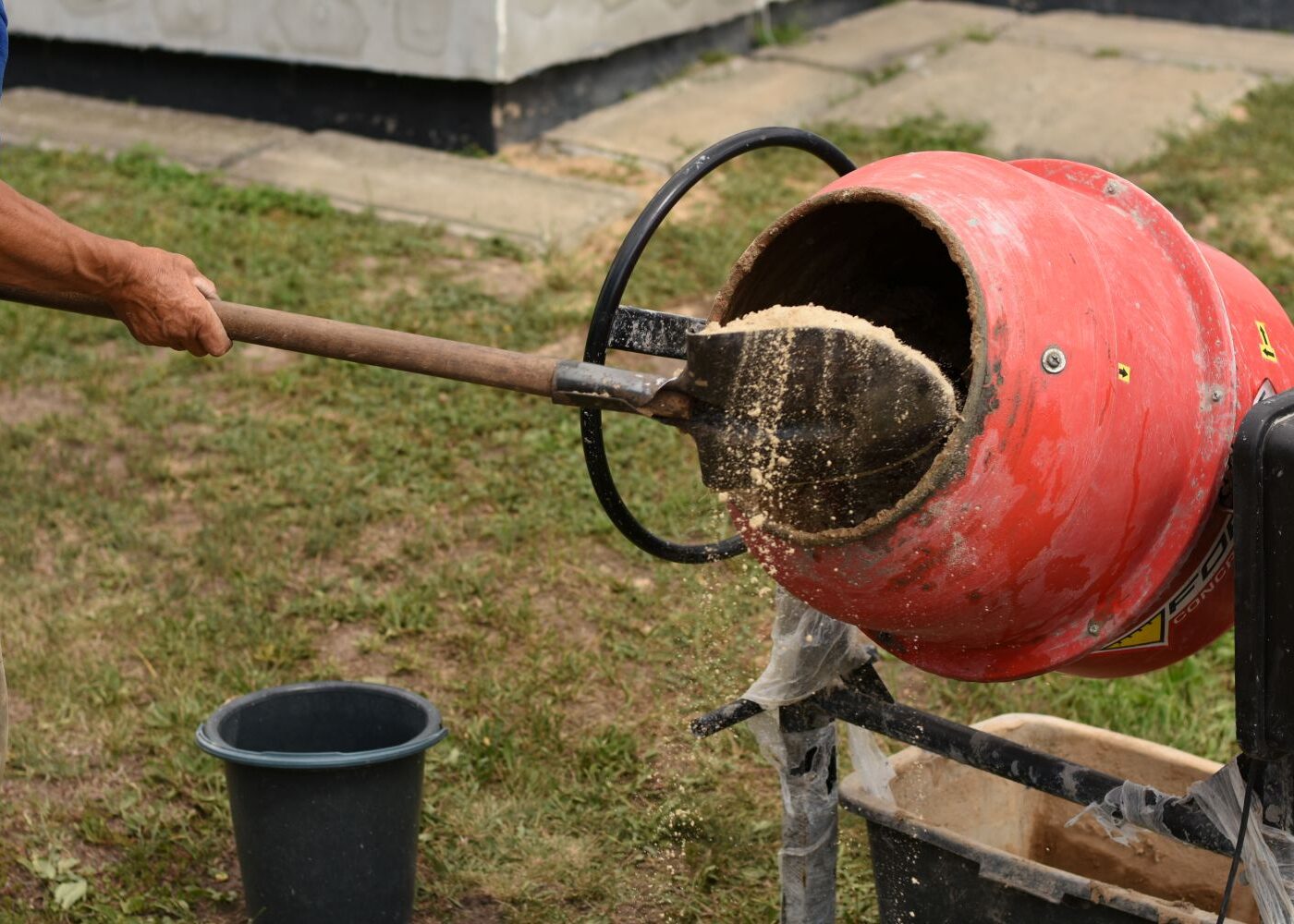
Now that your surface preparations are complete you can mix your concrete. Follow the instructions for your specific concrete mix to find the appropriate ratios for water and cement. You can mix your concrete on a wooden board, in a wheelbarrow or using a concrete mixer.
Laying concrete is easier with a wheelbarrow as you can pour your mix directly from it into the ground. Using a wooden board may be suitable for single blocks, or where just a few slabs are necessary such as in a garden path. Using a mixer is easier for bigger projects such as driveways, but your site must be accessible.
Once your fully-mixed concrete is ready, you can begin pouring it within the formwork. When pouring you need to remember that laying concrete evenly is the most important thing. Spread and level the concrete using a tamping beam, which can be another piece of timber. Use a spade to remove excess concrete.
Finishing Your Concrete
After completing the pouring process, your concrete is ready for finishing. Laying concrete effectively requires proper finishing to make sure the surface is suitable for its intended use. After levelling your surfac,e you may not require additional finishing, such as in the case of garden paths, concrete pads or individual slabs.
You can brush your concrete for a rougher texture, which provides grip and will result in anti-slip functionality. A brushed finish is suitable for a driveway as it will provide a vehicle with traction. It will also be desirable for pathways to have a lot of grip, as slipping can be possible when paths are wet.
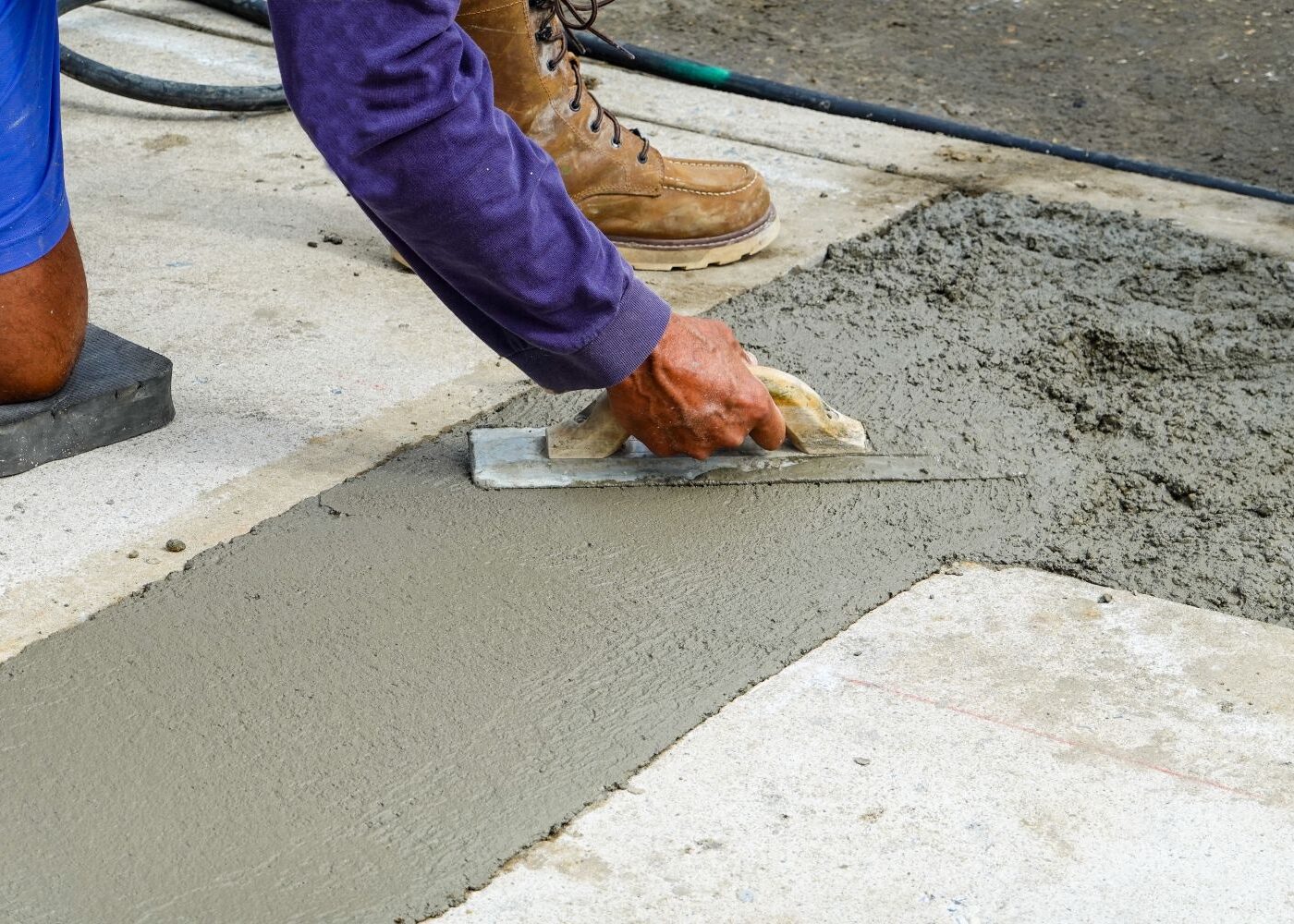
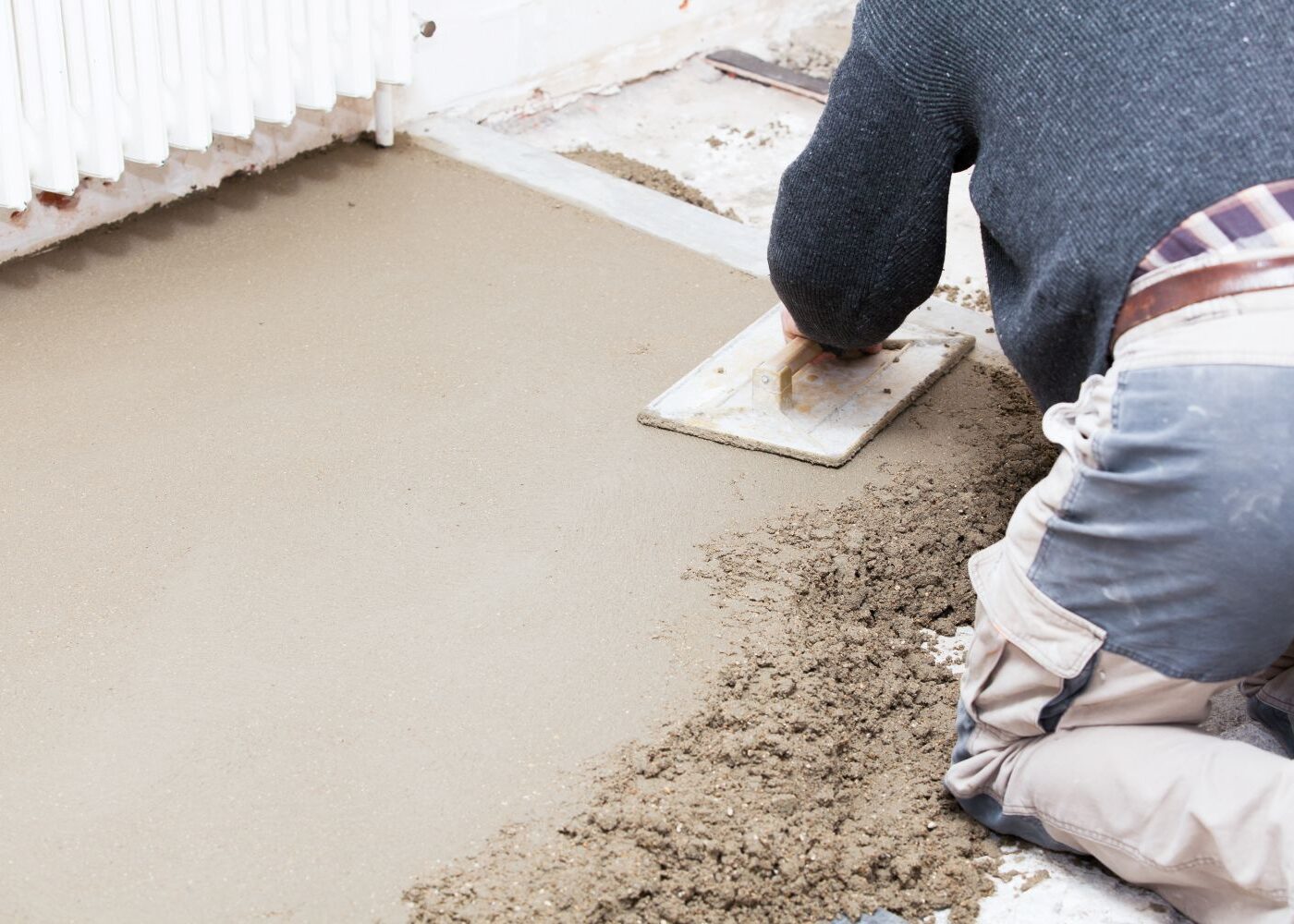
Using a tool called a float, similar to a trowel, you can get a float finish. Take the float and move it over the surface of the concrete after pouring, and you can remove any marks and get a very smooth surface. This is suitable for patios or areas where additional tiling or decoration will take place.
Laying Concrete for the Best Results
Make sure you keep pets and children away from the surface after laying concrete until the hardening process finishes. You have now successfully added laying concrete to your list of construction skills. We utilise these principles throughout many of our services, and we are happy to provide you with this knowledge.
Book Expert Services
If you are not confident in your abilities or have a larger or more complex residential project in mind, you may not be able to effectively undertake laying concrete yourself. In this case, our knowledgeable team can deliver an accurate quote, a fast installation process and a long-lasting finish.
You may be capable of laying concrete yourself, but we are experts in providing high-quality materials, efficient ground preparation, correct mixing or pouring and beautiful results. To take advantage of our considerable skills when laying concrete in your next project, please contact us for an estimate and to discuss your specifications.