
A Guide to Floor Screed Thickness
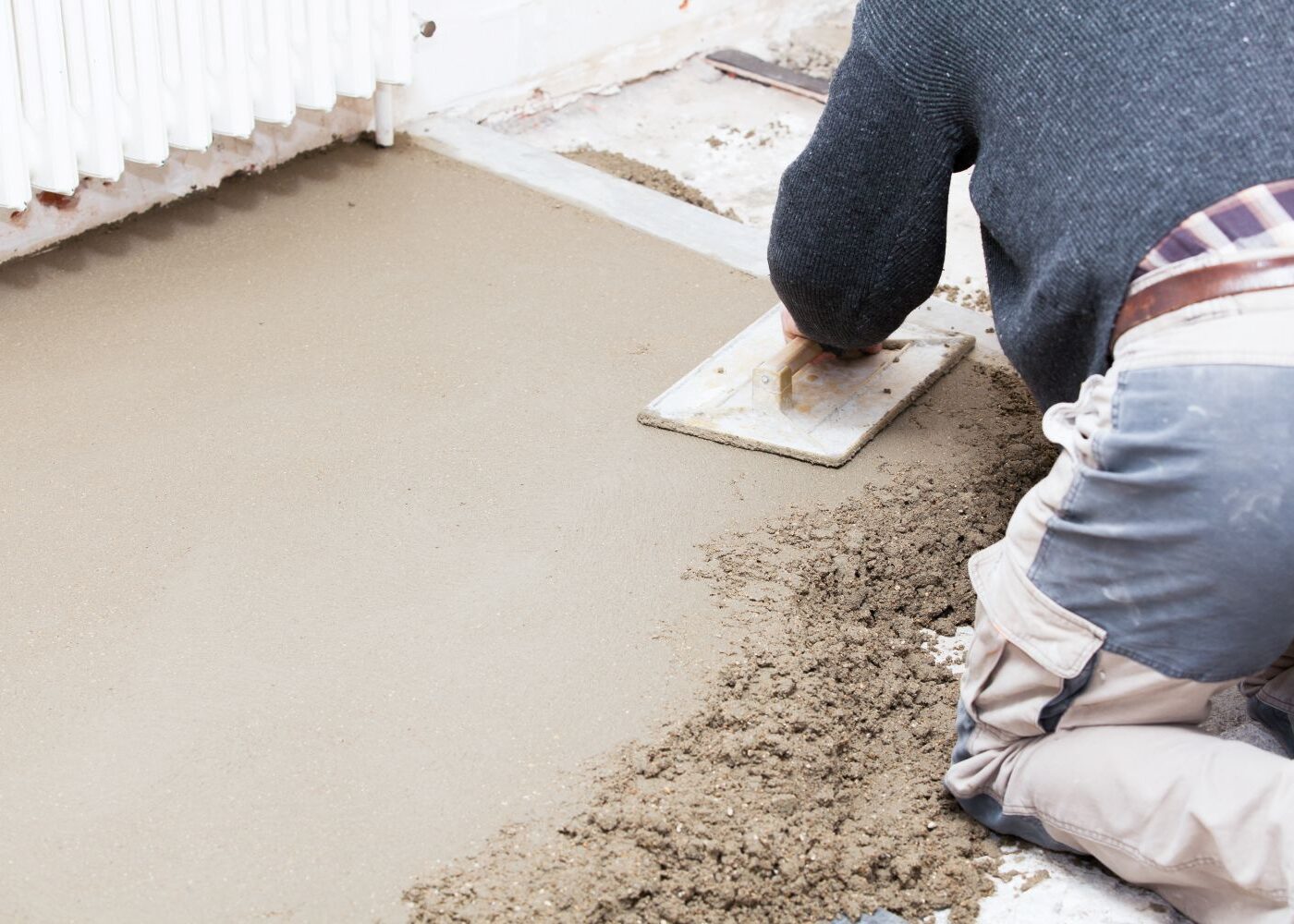
Screed, otherwise known as a subfloor, is an additional layer that forms the substrate for your actual floor covering. The main purpose of a floor screed is to level uneven floor structures and provide a balanced finish, but it can also be a useful base for floors utilising underfloor heating
If you are looking for flooring installations, it’s in your best interests to engage the services of a professional. Concrete Flooring Solutions are leading professionals in concrete and resin floor solutions and installations. With over 40 years of experience and recognition from The Association of Concrete Industrial Flooring Contractors, you can be sure that you are receiving the highest quality and most durable flooring installation.
The Thickness of Floor Screed
The most common reason for installing a floor screed is to accommodate underfloor heating pipes, but a floor screed can be chosen for a variety of reasons. It may be to provide a smoother, flatter surface that is not achievable by the structural slab, or it can be purely for aesthetic purposes. Floor screeds are also used to provide a finishing layer on which different types of flooring may be installed on top of.
The optimum thickness of the screed depends on its intended purpose. Care must be taken with very thin screeds as there is an increased risk of cracking. Traditional bonded sand cement screeds should not be installed to a thickness of less than 15mm as a general rule. All screed products have different limitations on the minimum and maximum thickness that they can be laid.

What Is the Minimum SCREED THICKNESS FOR FLOORS?
Before wondering about the minimum thickness of your floor screed, you first need to determine which type of screed you are using. There are three main types of floor screed:
- Bonded: where the screed is directly bonded to the substrate.
- Unbonded: where the substrate has a membrane separating it from the screed.
- Floating: where there is acoustic or thermal insulation in between the screed and the substrate, there may also be a membrane as well.
Each has a different minimum and maximum optimal thickness depending on the type of screed.
Bonded Screed Minimum Thickness
- 1-2mm – when bonding a screed directly to the substrate with a bonding agent or a primer, the minimum thickness is 1-2mm with a smoothing compound.
- 10mm – modified sand and cement screed can withstand a minimum of 10mm for strength and fast drying.
- 40mm – traditional sand and cement screed, such as a 1:4 ratio mixture, can be bonded at a minimum of 40mm.
Unbonded Screed Minimum Thickness
- 50mm – unbonded smoothing compound minimum.
- 15mm (specialist), 30mm – calcium sulphate flowing screed should have a general minimum thickness of 30mm, or 15mm if specialist.
- 35mm – modified sand and cement minimum.
- 50mm – traditional sand and cement unbonded minimum.
Floating Screed Minimum Thickness
- 35mm – calcium sulphate flowing screed for domestic use, minimum.
- 40mm – calcium sulphate flowing screed for commercial use, minimum.
- 35mm – modified sand and cement minimum thickness.
- 65mm – traditional sand and cement for domestic use, minimum.
- 75mm – traditional sand and cement for commercial use, minimum.
Underfloor Heating Screed Depth
The screed thickness for underfloor heating depends on the type of screed you are using. If you are installing a screed above underfloor heating, it is important to maintain the recommended thickness of the screed in order to ensure that the heat is distributed effectively and any heating pipes and cables are successfully covered. Here are the recommended depths (including pipework):
- For traditional sand and cement screed, 65mm is the recommended minimum.
- For liquid screed, between 40mm-50mm is recommended.
- For fast drying screeds, 45mm is recommended.
Why Is Thickness Important When Screeding a Floor?
It is important to keep within the recommendations when it comes to the depth of the floor screed. A screed that is too thin will have a greater risk of cracking and getting damaged, which can result in delamination of the screed and tile. Whereas, if your floor screed is too thick, you run the risk of getting a lot of surface bleed water and a weak, friable surface that will need to be ground down.
Each product has a different limitation on how thick or thin it should be installed, depending on the use, such as a commercial element.
Professional and Reliable Floor Screed
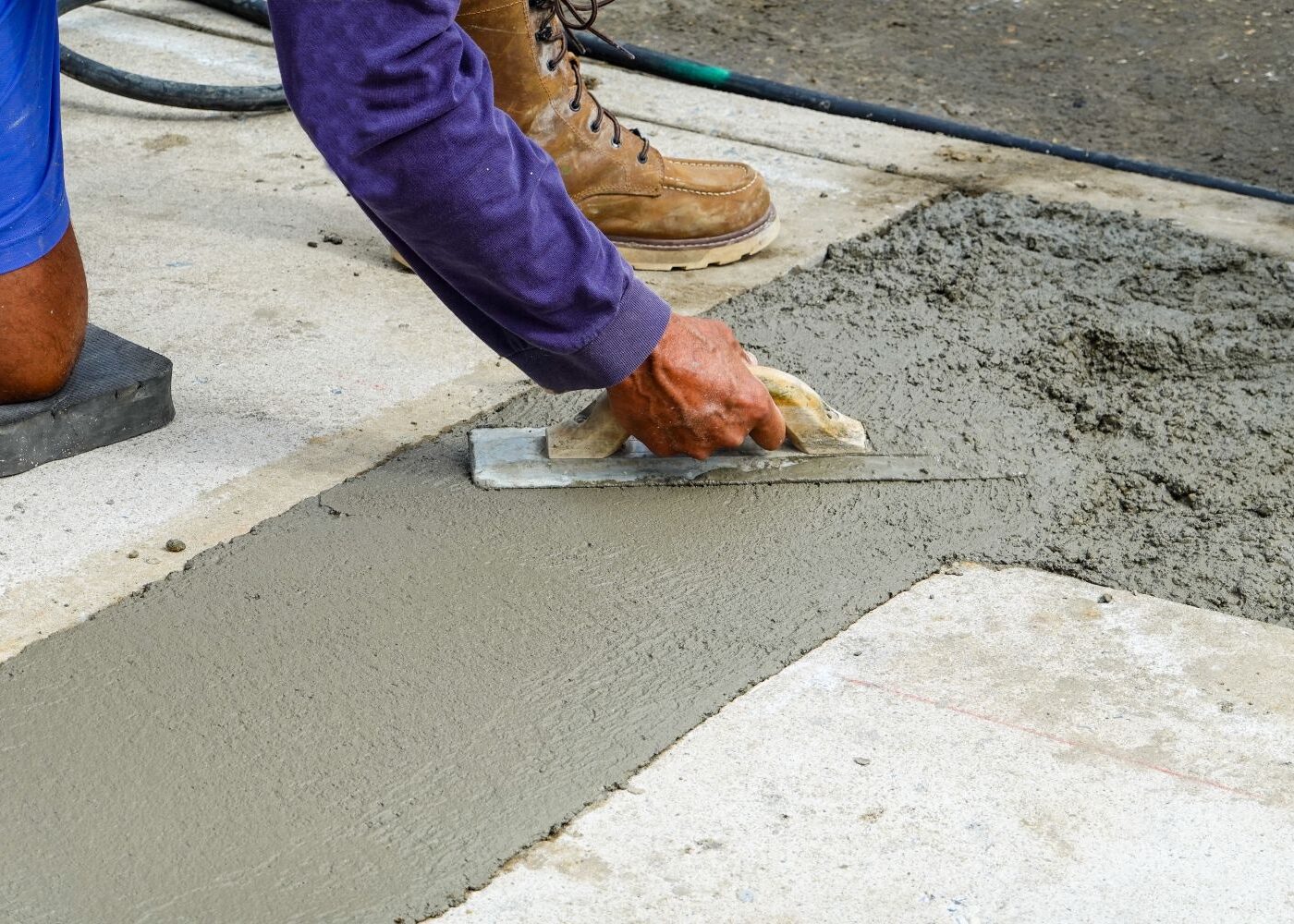
While it is possible to screed a floor without professional assistance from a screed contractor, there are several important factors, such as optimum depth, that need to be considered when undertaking a floor screeding project. In order to ensure that your floor screed is of the correct thickness, is installed seamlessly and will be long-lasting, we do recommend that you contact a team of professionals.
With decades of experience and a passion for our trade, Concrete Flooring Solutions are the leading supplier of concrete and resin flooring installations in the UK. With all of our projects adhering to The Association of Concrete Industrial Flooring Contractors’ standards and regulations, you can be sure that your floor screed will be installed expertly and reliably.
Get in touch with a member of the team today to learn more about floor screed, or to receive a free, no-obligation quote for your floor screed project.