
A Guide to Concrete Floor Paint
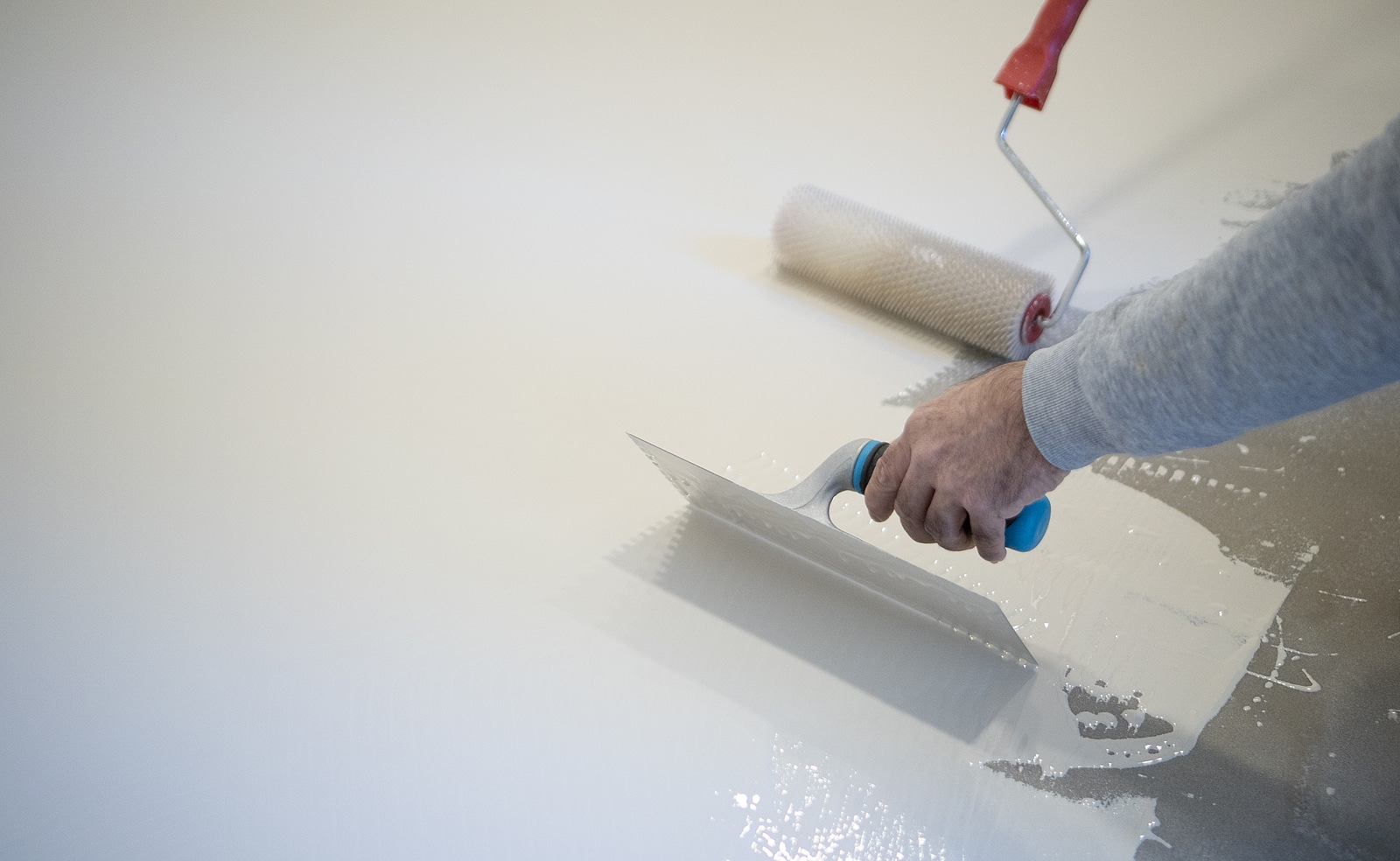
Whether in a garage, warehouse, retail space or outdoor area, applying concrete floor paint is a quick and cost-effective way to refresh the surface. But not all floor paints for concrete floors perform the same, and choosing the wrong type can lead to peeling, flaking or premature wear.
In this guide, we’ll explain what concrete floor paint is, when you can paint concrete floors, the pros and cons, the different coating options available, and how to choose the best system for your environment.
What Is Concrete Floor Paint?
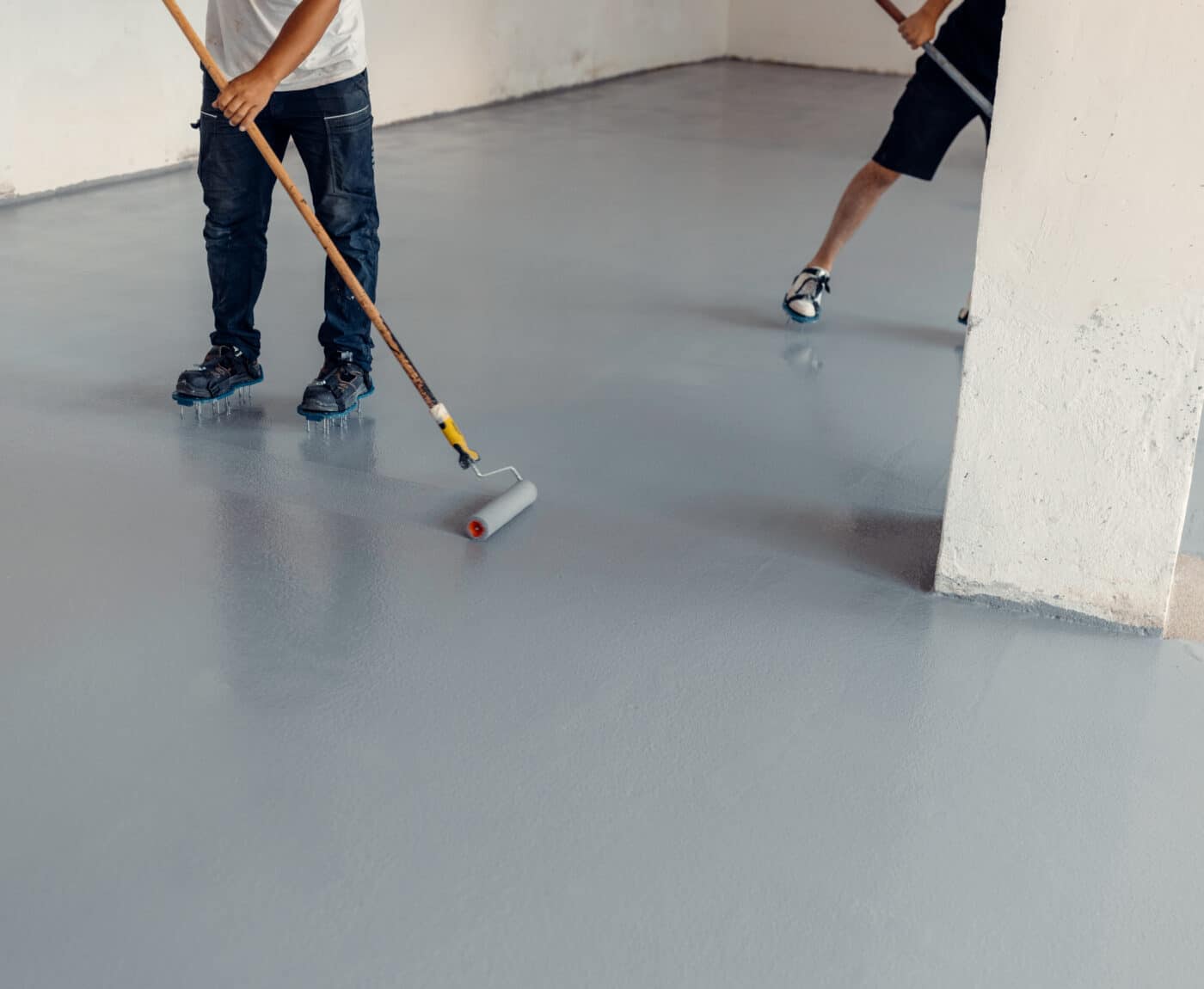
Concrete floor paint is a specialist coating designed to protect and enhance concrete surfaces. Unlike standard decorative paint, floor paint meant for concrete is formulated to withstand foot traffic, vehicle movement and general wear.
Its main purposes are to:
- Reduce surface dust
- Improve appearance
- Add colour or markings
- Increase resistance to moisture and chemicals
Floor paints for concrete are commonly used in garages, warehouses, factories, workshops, retail units and even domestic settings. They can also be used outdoors, although exterior applications require specific weather-resistant products.
When Can You Paint Concrete Floors?
Before applying any concrete floor paint, the surface must be suitable. Fresh concrete needs time to cure fully – typically at least 28 days. Painting too early can trap moisture, leading to bubbling or coating failure.
Preparation is critical. The floor must be:
- Clean and free from dust, oil, and grease
- Completely dry
- Structurally sound
- Repaired if cracked or damaged
For best results, professional preparation methods such as grinding or shot blasting are often used to create a suitable key for adhesion.
When Painting Outdoor Flooring
Extra care is required if you plan to paint a concrete outdoor floor. Firstly, the coating must be UV-stable and weather-resistant. Outdoor concrete is exposed to rain, temperature fluctuations and potential freeze-thaw cycles, so not all concrete floor paints are suitable for external use. Drainage and slip resistance should also be considered for safety.
The Different Types of Floor Paint for Concrete
There are several types of concrete floor paint available, each suited to different levels of use.
Acrylic Concrete Floor Paint
Acrylic systems are usually water-based and commonly used in domestic garages or other light-duty spaces. They’re best for foot traffic and are generally affordable, with an easy application process. However, they’re typically less durable and have a shorter lifespan.
Epoxy Floor Paint
Epoxy is a two-part system that chemically bonds to the concrete surface. Its strong adhesion to surfaces means it offers significantly greater durability than standard paint. It also has excellent chemical resistance and a long lifespan, making it well-suited for warehouses, factories, workshops, and commercial units.
Epoxy floor paint is one of the most popular floor paints for concrete floors in industrial settings due to its strength and resilience. However, it requires professional preparation and application for best performance.
Polyurethane Floor Coatings
Polyurethane coatings are flexible, highly resistant to UV light, and typically feature an attractive finish, making them ideal for public spaces and commercial environments. They are often used in retail spaces, healthcare environments, and other areas exposed to sunlight.
It’s important to note that these floor coatings are most often installed by specialists.
Anti-Slip and Specialist Coatings
In environments where safety is critical, such as factories, food production areas, or loading bays, anti-slip aggregates can be incorporated into resin or paint systems. These specialist coatings are designed for high-performance environments where simple decorative floor paint or simple concrete solutions may not be sufficient.
The Pros and Cons of Painting Concrete Floors
Like any flooring solution, concrete floor paint has advantages and limitations.
Advantages
- Improves appearance quickly
- Reduces surface dust
- Protects against minor wear
- Enhances light reflectivity
- More cost-effective than full floor replacement
Disadvantages
- Surface preparation is essential
- Can peel or flake if applied incorrectly
- May struggle under heavy forklift traffic
- DIY applications often fail prematurely
- Requires reapplication over time
For light-use environments, floor paint for concrete can be a practical upgrade. However, in high-demand commercial or industrial settings, a more robust solution may be required.
How Long Does Concrete Floor Paint Last?
The lifespan of floor paints for concrete floors depends on the product type and environment.
- Basic water-based acrylic concrete floor paint may last anywhere between 1 and 3 years
- Professional epoxy coatings can last anywhere between 5 and 10 years
- High-performance resin systems can exceed this with proper maintenance
Traffic levels, surface preparation, and environmental conditions all play a significant role in performance. Having a less demanding environment will often extend the lifespan of a floor coating.
How to Choose the Right Floor Paint for Concrete
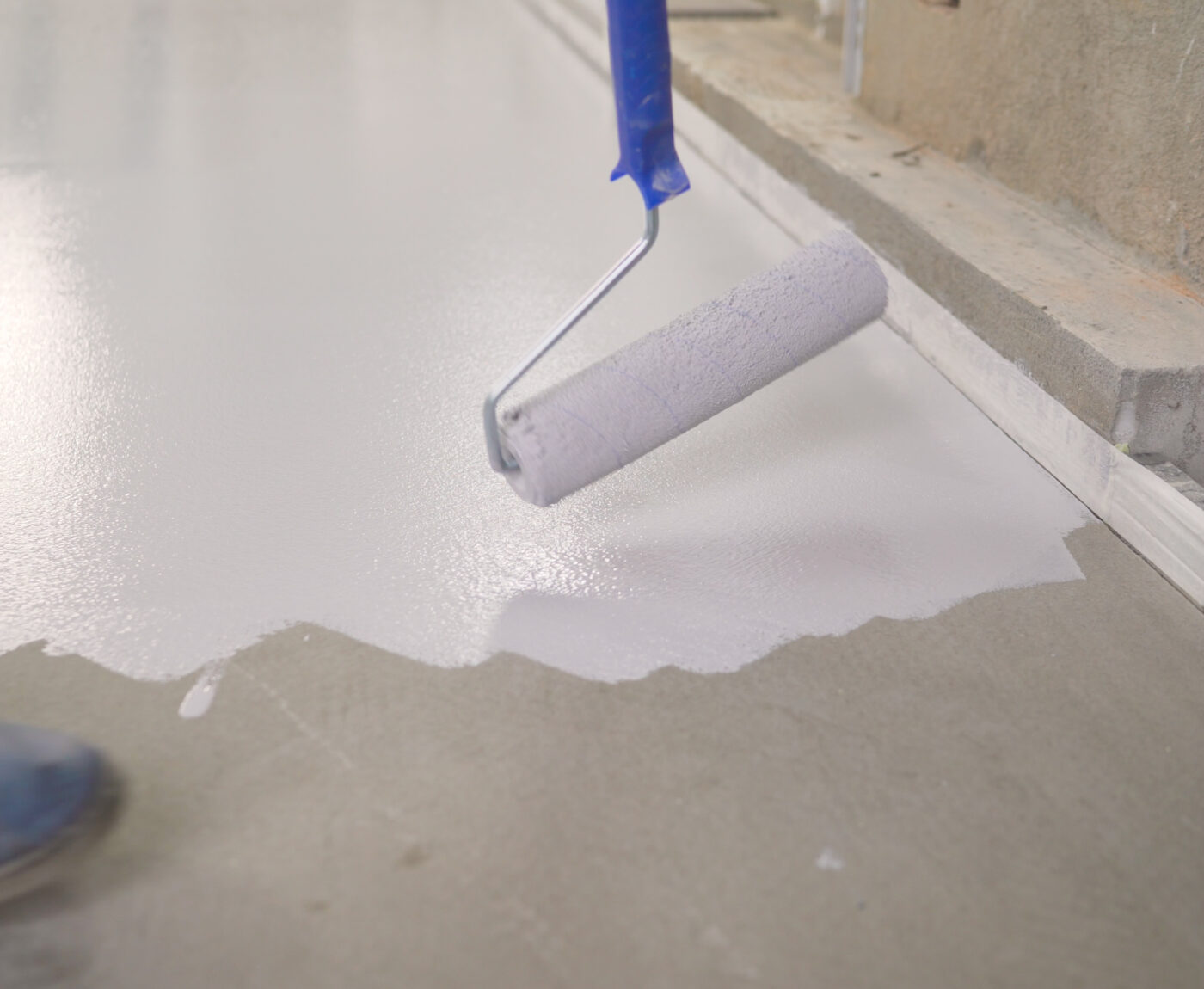
When selecting the best concrete floor paint, consider:
- What level of traffic will the floor handle?
- Is it indoors or outdoors?
- Will it be exposed to chemicals or oils?
- Do you need anti-slip protection?
- How long do you expect it to last?
- Can you afford downtime for reapplication?
For commercial and industrial properties, correct specification is essential. Choosing the wrong system can lead to costly disruption and repeat work.
When Is Concrete Floor Paint Not Enough?
In environments exposed to heavy machinery, constant vehicle movement, chemicals or strict hygiene requirements, standard concrete floor paint may not offer long-term performance.
Warehouses, food production facilities, healthcare environments and large-scale retail spaces often benefit from professionally installed epoxy or polyurethane resin flooring systems instead. These systems are thicker, more durable, and specifically designed to withstand demanding operational conditions.
While the upfront investment is higher than basic paint, the long-term durability often makes resin systems more cost-effective over time as well.
Speak to the Specialists
If you’re unsure whether floor paint concrete solutions are sufficient for your space, or whether a more durable epoxy or polyurethane resin system would be more suitable, expert advice can make all the difference.
With over 40 years of industry experience and expertise in both concrete and resin flooring, Concrete Flooring Solutions helps commercial and industrial clients choose flooring systems built for long-term performance.
Contact us to discuss your project and get a quote for long-lasting resin flooring systems or, as needed, resin floor painting for your business.