
Building Regulations for Concrete Floor Construction
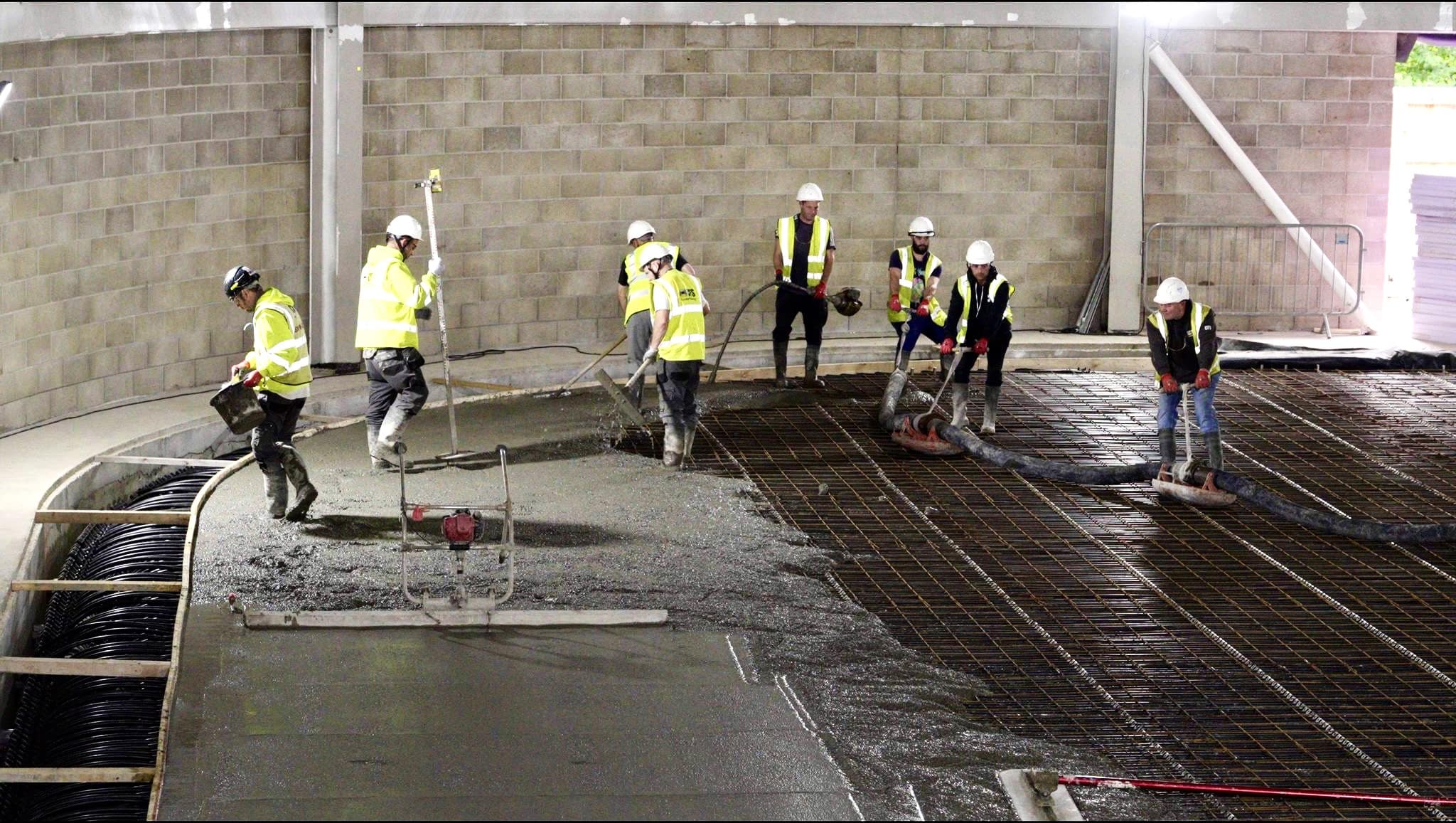
At Concrete Flooring Solutions, we have decades of experience supplying and installing high‑quality concrete flooring systems throughout the UK. This experience means we not only deliver exceptional floors, we also stay fully up‑to‑date with the latest industry standards, installation techniques, and Building Regulations that affect your project.
If you’re planning to install a concrete floor, whether in a domestic, commercial, or industrial setting, it’s essential to understand how Building Regulations may impact design, construction, safety, moisture control and energy efficiency.
It must be noted that the following information refers to laying concrete floors and Building Regulations in England, and that policies in Scotland and Wales may differ. If in doubt, please contact your local planning authority for more information about your own circumstances.
What Are Building Regulations?
In the UK, Building Regulations are statutory standards that set out minimum expectations for construction work. Their primary purpose is to protect:
- Structural safety and stability
- Health and safety of occupants
- Environmental sustainability and energy efficiency
- Resistance to moisture and contaminants
Most new building work, extensions and material changes, including new ground‑bearing or suspended floors, require compliance with these standards and, in many cases, Building Control approval before work begins.
Building Regulations for Floors
According to the Concrete Floor Building Regulations, a floor must provide one or more of the following:
- Structural support of the room’s contents and users, as well as the weight of the floor itself
- If this floor is a ground floor, it must provide resistance to:
a) Ground moisture; and
b) Heat loss (via thermal insulation)
These points must be taken into account when you are planning on building any floor, for either a work or domestic project. If you do not adhere to the regulations set, it is possible that your local authority could take action. This may eventually result in a fine if all calls and requests for you to comply are either not met or ignored. To avoid penalties when laying a concrete floor, Building regulations must be followed.
Key Regulatory Parts That Affect Concrete Floors
Part A – Structure
Concrete floors must be structurally sound and designed for the loads they will carry. This includes correct specification of slab thickness, reinforcement and jointing, often verified through structural calculations.
Part C – Moisture and Site Preparation
Part C of the Approved Documents covers site preparation and resistance to moisture and contaminants.
This includes:
- Ensuring the ground is free from deleterious materials that could affect stability
- Preventing moisture from penetrating the floor slab
- Protecting against radon and other ground gases when required
This is typically achieved with a correctly installed damp-proof membrane (DPM) within the floor system.
Part L – Conservation of Fuel and Power
For new builds and major renovations, floors must meet specific thermal performance requirements to reduce heat loss and improve energy efficiency.
This means installing adequate floor insulation and achieving the necessary U‑values as required by the regulations.
Types of Ground Floor Construction
There are three general ground floor types relevant to Building Regulations, here the two most common concrete applications:
1. Building Regulations For Solid Ground‑Bearing Concrete Floors
A solid concrete floor typically consists of:
- A Well‑compacted hardcore sub‑base
- Sand blinding
- Reinforced concrete slab
- DPM and insulation layer
- Finishing screed and floor finish
Key regulation points:
- A suitable DPM must be provided and lapped to the external walls’ damp proof course
- Thermal insulation must be included where required for energy performance
- Floor thickness and detailing should respond to ground and structural conditions
Proper detailing prevents moisture ingress and ensures compliance with moisture resistance and energy efficiency requirements.
2. Building Regulations For Suspended Concrete Floors
Suspended concrete floors are often used where ground conditions are unsuitable for a solid slab or where ventilation beneath the structure is required.
Typical elements include:
- Pre‑cast concrete beams or planks
- Concrete blocks laid between supports
- Insulation installed between structural elements
- Void ventilation via air bricks or vents
Regulatory requirements focus on:
- Ventilation beneath the suspended floor to control moisture
- Detailed design to ensure adequate structural performance over long spans
Contaminated Ground
In the event that your building site is located on an area of ground with a certain amount of contamination, you will need to ventilate any gases which have formed. A common gas which occurs naturally is radon, and this can be found in areas across the country. Other places which may contaminate the ground include landfill sites. Additional measures may be required under Part C, such as gas‑protective membranes and ventilation systems.
These designs should be confirmed with specialist surveys and Building Control to ensure safety and compliance
We Professionally Install Concrete Floors
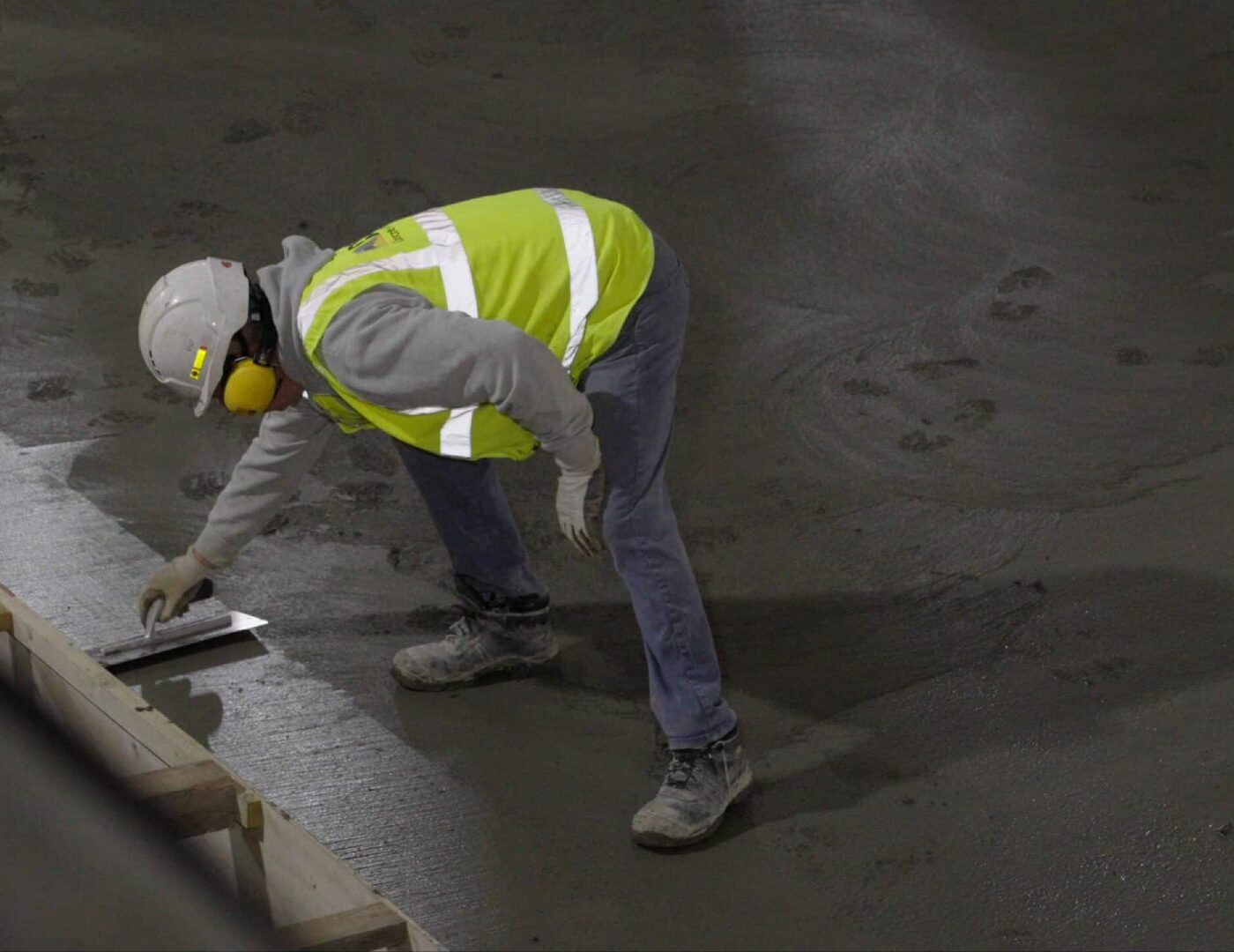
At Concrete Flooring Solutions, we pride ourselves on our expert knowledge of every aspect of concrete and concrete flooring. This extends from providing fast, efficiently laid concrete floors to answering our customers’ questions about Building Regulations.
When you choose to use our service to have a concrete floor installed, you will not have to worry about making sure your work follows the Building Regulations. When you call us to place your order, our staff will discuss your requirements with you, and we ensure your floor meets all relevant Building Regulations, from structural integrity to moisture resistance and thermal performance.
Our experienced team will:
- Assess floor design requirements
- Specify compliant insulation and DPM solutions
- Meet all Building Regulations
- Install efficiently and to the highest quality standards
Start Your Concrete Flooring Project Today
With over 40 years of experience and a nationwide reputation for excellence, Concrete Flooring Solutions delivers high-quality, expertly poured concrete floors built to last. Whether your project is commercial, industrial or large-scale residential, our specialist team brings precision, compliance, and craftsmanship to every installation.
Contact us today to speak with a member of our team and get started with a trusted partner in professional concrete flooring.